
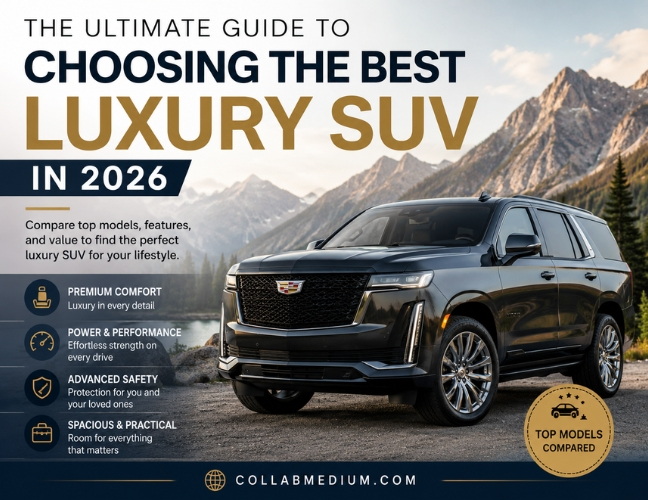
Buying a luxury SUV feels exciting. But once you start researching, the choices get overwhelming fast. You want something that feels premium on every level. Yet you also want real-world practicality. That tension is exactly what most shoppers struggle with.
I have spent years reviewing vehicles and talking to SUV buyers across the country. The same frustrations come up repeatedly. People buy the wrong luxury SUV because they focus on brand names instead of fit. They get swayed by flashy features that do not match their daily needs.
This guide cuts through all of that. We will help you understand what separates a great luxury SUV from an average one. We will also help you figure out which model actually fits your life.
Why the Luxury SUV Market Is More Competitive Than Ever
The luxury SUV segment is booming. According to Statista, SUV sales accounted for over 58% of all new vehicle sales in the United States in 2023. The luxury slice of that pie has grown steadily. Consumers now expect both comfort and capability in a single vehicle.
Automakers have responded with impressive engineering. German brands like BMW, Mercedes-Benz, and Audi pushed hard into this space. American brands like Cadillac and Lincoln fought back with bold redesigns. Japanese brands like Lexus and Genesis offered strong value at competitive price points.
The result: You now have more genuinely excellent options than ever. But that also means more chances to pick the wrong one.
What Buyers Actually Want From a Luxury SUV
Most buyers rank these priorities in order when shopping:
Ride comfort: A luxury SUV should isolate you from road noise and rough surfaces.
Interior quality: Premium materials, thoughtful design, and well-placed tech matter enormously.
Performance: Power delivery should feel effortless, not strained.
Cargo and seating space: Practicality cannot be an afterthought in an SUV.
Safety technology: Adaptive cruise control, lane assist, and blind-spot monitoring are now table stakes.
The Core Problem: Most Buyers Shop the Wrong Way
Here is the mistake I see constantly. A buyer walks into a dealership with a brand in mind. Maybe they heard about the Cadillac Escalade from a friend. Maybe they read one glowing review of the Mercedes GLS. They test drive that one model and sign papers the same week.
Weeks later, reality sets in. The cargo space is smaller than expected. The third row feels unusable. The infotainment system requires a tutorial. The fuel costs are brutal. Buyer’s remorse hits hard in this segment because these vehicles cost serious money.
The average luxury SUV now starts around $60,000. Many well-equipped versions push past $90,000 or even $100,000. That is not a purchase you want to get wrong.
How to Avoid the Most Common Mistakes
Start with your actual use case. Are you driving solo most days? Carpooling with a large family? Taking off-road adventures on weekends? Your answers should drive your shortlist.
Do not skip the extended test drive. Thirty minutes around a dealership lot tells you almost nothing. Ask for an overnight loaner if you can. Drive it on the highway. Load up the cargo area. Put the kids in the third row. That real-world experience matters.
Also research total cost of ownership. Fuel economy, insurance rates, and service costs vary wildly across luxury brands. Ownership data from J.D. Power shows significant differences in three-year ownership costs between brands.
Top Luxury SUV Models Worth Considering in 2026
Here is a look at the best luxury SUV options across different needs and budgets. This comparison table breaks down the key specs and ideal buyer profiles.
Top Luxury SUV Comparison: 2026 Models
| Model | Starting MSRP | Engine / Range | Seating | Best For |
| Cadillac Escalade | $81,890 | 6.2L V8 / 420 hp | 7-8 Passengers | Full-size luxury |
| Lincoln Navigator | $80,425 | 3.5L Twin-Turbo V6 | 6-8 Passengers | Family road trips |
| BMW X7 | $79,100 | 3.0L Turbo I6 | 5-7 Passengers | Performance + style |
| Mercedes GLS 450 | $92,050 | 3.0L Turbo I6 | 6-7 Passengers | Premium ride quality |
| Lexus LX 600 | $93,100 | 3.4L Twin-Turbo V6 | 7-8 Passengers | Off-road + comfort |
| Genesis GV80 | $56,450 | 2.5L Turbo / 3.5L V6 | 5 Passengers | Value-driven luxury |
Prices reflect base MSRP as of 2026. Always verify current pricing with your local dealer.
Cadillac Escalade: The American Icon That Still Delivers
The Cadillac Escalade remains a top choice for buyers who want presence on the road. The 2026 model features a stunning interior with a curved 38-inch OLED display that spans the dashboard. It offers an available Super Cruise hands-free highway driving system, which is one of the most capable driver-assist technologies available in any luxury SUV today.
The ride quality is exceptional. Magnetic Ride Control absorbs bumps before you feel them. Full-size proportions mean genuine three-row space for real adults, not just children.
Mercedes-Benz GLS 450: The Premium Ride Quality Champion
If outright ride refinement is your top priority, the Mercedes-Benz GLS 450 sets the standard. The E-Active Body Control suspension system on the Maybach variant actually reads the road surface ahead and prepares the suspension accordingly. Even the base GLS delivers a supremely smooth luxury experience.
The interior quality and materials are hard to beat at this price point. Mercedes uses genuine wood, soft leather, and premium metal throughout. The MBUX infotainment system is intuitive and responsive.
Genesis GV80: The Best Value in Luxury Travel
If you want genuine luxury travel without the eye-watering price tag, the Genesis GV80 deserves serious attention. Genesis is Hyundai’s luxury division, and it has impressed critics and buyers alike. The GV80 offers a beautifully crafted interior, a smooth ride, and a long feature list at a starting price significantly below German competitors.
J.D. Power ranked Genesis highest in initial quality for three consecutive years through 2023. That is not a coincidence. The brand bakes reliability into its vehicles from the ground up.
Features That Actually Matter in a Luxury SUV
Marketing materials make everything sound essential. I want to tell you what actually makes a measurable difference in daily driving.
Air Suspension: The Single Biggest Comfort Upgrade
If a luxury SUV offers optional or standard air suspension, it almost always improves the ownership experience significantly. Models like the Lincoln Navigator, Mercedes GLS, and Lexus LX 600 all benefit from this technology. The ride character transforms completely compared to steel spring setups.
Third-Row Usability: Separate the Real From the Theoretical
Most luxury SUVs claim three-row seating. Fewer actually deliver usable third-row space for adults. The Cadillac Escalade and Lincoln Navigator use truck-based platforms that create genuine third-row legroom. The Lexus LX 600 also delivers well. Crossover-based models like the BMW X7 offer less space but handle better.
Driver Assistance Technology Is Now a Safety Essential
The NHTSA reports that advanced driver-assistance systems reduce rear-end crashes by up to 50%. Most luxury SUVs now include adaptive cruise control, automatic emergency braking, and lane-keeping assist as standard or near-standard features. Check the specific package, though. Some brands bury these features in expensive option packages.
Pro Tips From Years of Reviewing Luxury SUVs
Tip 1: Skip the first model year. When a luxury SUV gets a full redesign, the first model year often has minor bugs. The second year usually irons those out without a price jump.
Tip 2: Negotiate the finance rate separately. Dealers make money on financing. Get a pre-approval from your bank or credit union before you walk in. Then compare it to what the dealer offers.
Tip 3: Buy certified pre-owned if the budget is tight. A two-year-old certified luxury SUV often comes with a manufacturer-backed warranty extension and costs 20 to 30 percent less than new. You get nearly the same vehicle for far less money.
Tip 4: Look at the total service package. Brands like BMW, Mercedes-Benz, and Volvo have offered complimentary scheduled maintenance. That alone can be worth thousands of dollars over three years.
Tip 5: Consider the resale value. Lexus and Lincoln Navigator hold their value better than many European competitors. iSee Car data shows the Navigator retains over 60% of its value at three years, which is impressive for this segment.
Electric and Hybrid Luxury SUVs: The Future Is Already Here
The best luxury SUV conversation now includes electric and plug-in hybrid options. Cadillac’s Lyriq, BMW’s iX, and the Rivian R1S have all redefined what electric luxury travel can feel like. The Cadillac Escalade IQ, launching as a 2026 model, brings extended range and massive interior tech to the full-size luxury SUV category.
EV range anxiety is real but shrinking. The Rivian R1S delivers an EPA-estimated 321 miles of range. Charging infrastructure has expanded dramatically. If most of your driving is urban or suburban, a plug-in hybrid like the BMW X5 xDrive50e offers real-world flexibility with fuel backup for longer trips.
Fuel economy across the segment has also improved for traditional models. The Genesis GV80 with the 2.5-liter turbocharged engine earns an EPA-estimated 22 mpg combined, which is competitive for this segment.
Off-Road Capability: When Luxury Meets Adventure
Not every luxury SUV buyer stays on pavement. If you want genuine off-road chops with premium comfort, the Lexus LX 600 is hard to beat. It shares its underpinnings with the legendary Toyota Land Cruiser. The Locking center differential, Multi-Terrain Select, and Crawl Control give it genuine capability beyond the pavement.
The Land Rover Defender also deserves mention here. While it sits at the sportier end of the luxury spectrum, its off-road engineering is best-in-class. Buyers who mix canyon road trips with weekend trails often find it perfect.
The Lincoln Navigator and Cadillac Escalade both offer four-wheel-drive systems, but they prioritize on-road comfort over serious trail work. Know what you actually need before buying a luxury SUV marketed as off-road capable.
Frequently Asked Questions
What is the best luxury SUV to buy in 2026?
The best luxury SUV in 2026 depends on your needs. For full-size space and presence, the Cadillac Escalade leads the segment. For ride quality and refinement, the Mercedes-Benz GLS 450 is the top choice. For value-driven luxury, the Genesis GV80 offers premium features at a lower price point. Evaluate your priorities around seating, performance, and budget before deciding.
What is the most reliable luxury SUV?
Genesis and Lexus consistently rank as the most reliable luxury SUV brands. J.D. Power’s Vehicle Dependability Study has placed Genesis at or near the top for multiple years. The Lexus LX and GX also score well for long-term reliability. German brands like BMW and Mercedes-Benz offer outstanding driving experiences but can carry higher maintenance costs over time.
Is a luxury SUV worth the extra cost?
A luxury SUV is worth the extra cost if you value ride comfort, advanced technology, premium materials, and strong safety systems. Buyers who drive frequently or take long trips often find the improvement in comfort justifies the price. However, if budget is a concern, certified pre-owned luxury SUVs offer most of the same features at 20 to 30 percent less than new pricing.
How much does the average luxury SUV cost?
The average luxury SUV starts between $55,000 and $95,000 depending on the brand and size. Entry-level options like the Genesis GV80 begin around $56,450. Full-size models like the Cadillac Escalade and Lincoln Navigator start near $80,000. Premium trims and option packages on flagship models can push total pricing well past $100,000.