
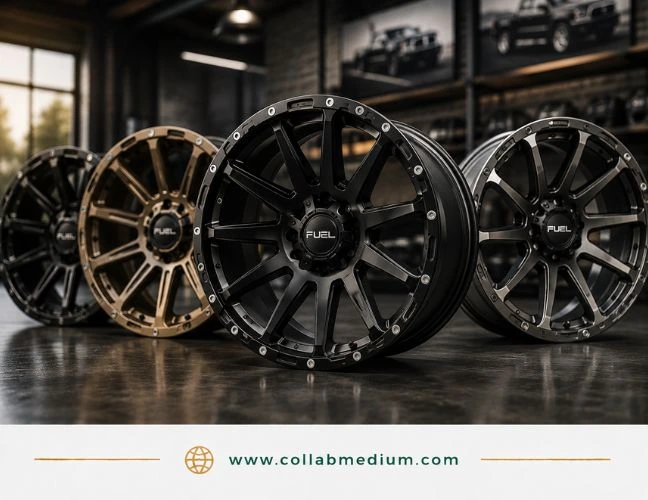
If you want aggressive looks, real strength, and a huge range of fitments, Fuel Wheels are one of the smartest upgrades you can make in 2026. This lineup covers everything from mild street trucks to full trophy builds, and it includes fan favorites like Fuel Rebel Wheels and Fuel Assault Wheels. I have fitted dozens of trucks and Jeeps with these wheels over the years, and the same questions keep coming up. Are Fuel Wheels good for daily driving? Do Fuel offroad wheels hold up on rocky trails? This guide answers those questions directly. You will learn how the brand builds its wheels, which models fit your goals, and how to avoid the mistakes that trip up first-time buyers.
Why Fuel Wheels Dominate the Off Road Wheels Market
Fuel Wheels launched in 2009 as a division of MHT Luxury Alloys, a company that has manufactured wheels since 1986. That backing gave the brand instant credibility in a crowded off road wheels market. It grew fast by sponsoring desert racing teams and off-road events like King of the Hammers. Within a few years, this off-road wheel brand became one of the most recognized names at truck shows across the country.
Today, this lineup sits near the top of the off road wheels category because it balances bold styling with genuine durability. The catalog spans cast, flow-formed, and forged construction. That range means a budget-minded shopper and a serious desert racer can both find something that fits their build.
What Makes the Off Road Wheels Category So Crowded
The off road wheels market has exploded alongside the lifted truck trend. Shoppers now compare dozens of brands before choosing this brand over Method, KMC, and American Racing. This brand stands out because the designs feel purpose-built for trucks and Jeeps rather than adapted from passenger car styling. Deep lips, aggressive spokes, and beadlock-style options give these off-road wheels a look that other brands struggle to match at similar price points.
The Core Problem: Are Fuel Wheels Good Enough for Your Build?
Here is the question I hear most often. Are Fuel Wheels good, or are they just good looking? The honest answer depends on how you use your truck. For daily drivers and weekend cruisers, this lineup delivers strong value. The cast aluminum construction handles potholes and highway miles without issue. For serious rock crawling or desert racing, you want to step up to the forged or beadlock lines, since those handle extreme impacts far better than entry-level cast models.
Buyers get into trouble when they pick a wheel based on looks alone. A wide, deep-lip wheel might look incredible in photos, but the wrong offset can rub your fender or strain your bearings. Matching bolt pattern, backspacing, and load rating to your actual vehicle matters more than the finish you choose. This is exactly where this brand shines, since it publishes clear fitment charts for nearly every truck, SUV, and Jeep on the road.
Cast vs Forged Construction Explained
Fuel Wheels come in two main construction types. Cast models make up most of the catalog, and molten aluminum gets poured into a mold under pressure. This process keeps prices reasonable, usually between $200 and $400 per wheel. Forged versions start as a solid aluminum billet that gets compressed under thousands of pounds of pressure. That process creates a denser, lighter, stronger wheel, though prices can climb past $1,000 per wheel for custom builds.
Fuel Rebel Wheels: The Model Every Truck Owner Talks About
Fuel Rebel Wheels earned their reputation through a mix of classic styling and serious strength. The Rebel line uses a deep-dish design with a bold lip that suits lifted trucks especially well. Fuel Rebel Wheels come in a wide range of finishes, including matte black, gloss black milled, and chrome, so you can match almost any build theme.
What sets Fuel Rebel Wheels apart from newer releases is the balance between aggressive looks and everyday usability. Owners report that Fuel Rebel Wheels hold up well against curb rash and minor trail impacts. If you want one wheel that photographs well and survives real use, Fuel Rebel Wheels remain a top recommendation among truck owners in 2026.
Fuel Assault Wheels: Bold Style for Serious Trucks
Fuel Assault Wheels take a more aggressive approach with a directional spoke pattern built for larger diameters. This model suits trucks running 20 to 22-inch setups where you want visual weight without sacrificing strength. Fuel Assault Wheels are popular among Ford F-150 and RAM 1500 owners who want a factory-plus look with real off-road capability behind it.
Fuel Assault Wheels also work well paired with all-terrain or mud-terrain tires, since the spoke design leaves enough clearance for larger brake calipers on lifted applications. If your build leans toward a modern, muscular look, Fuel Assault Wheels deserve a spot on your shortlist.
Comparing Popular Fuel Wheels Models
Fuel Wheels Model Comparison: 2026 Lineup
| Model | Construction | Diameter Range | Best For | Approx. Price Per Wheel |
| Fuel Rebel | Cast Aluminum | 17 to 22 inches | Lifted trucks, show builds | $220 to $380 |
| Fuel Assault | Cast Aluminum | 17 to 22 inches | Modern trucks, factory-plus looks | $230 to $400 |
| Fuel Hostage | Cast Aluminum | 17 to 24 inches | Wide fitment daily drivers | $210 to $370 |
| Fuel Vector | Cast Aluminum | 17 to 22 inches | Jeeps and mid-size trucks | $200 to $360 |
| Fuel Forged Series | Forged Aluminum | 20 to 28 inches | Custom dually and racing builds | $700 to $1,200+ |
Pricing varies by finish, size, and retailer as of 2026.
Common Mistakes Buyers Make With Off-Road Wheels
Ignoring the offset number. A wheel with the wrong offset can rub against suspension components or push out too far past your fender.
Skipping load rating checks. Trucks hauling heavy trailers need wheels rated for that weight. Not every model in this lineup carries the same load capacity.
Buying tires that do not match the wheel width. A tire that is too narrow or too wide for the wheel barrel changes handling and can wear unevenly.
Forgetting about lug nut compatibility. Aftermarket wheels sometimes need different lug nuts than your factory set, especially with lug covers or beadlock rings.
Choosing looks over fitment data. The most common regret among first-time buyers is picking Fuel off road wheels based purely on photos instead of confirming bolt pattern and backspacing first.
Pro Tips From Years of Fitting Fuel Wheels
Tip 1: Always check your local tire shop’s mounting experience. Larger diameter wheels sometimes need specialty equipment for proper mounting and balancing.
Tip 2: Order a spare lug nut set. Custom finishes can be tricky to match later if you lose one during a tire rotation.
Tip 3: Torque wheels again after 50 to 100 miles. New wheel installations can settle slightly, so a second torque check prevents loose lug nuts down the road.
Tip 4: Ask about hub-centric rings. Some models ship hub-centric for specific applications, and the wrong ring can cause a faint vibration at highway speed.
Tip 5: Clean wheels with pH-balanced cleaners only. Harsh acid-based cleaners can strip the finish faster than normal road grime ever would.
Where Fuel Wheels Fit Into a Bigger Vehicle Upgrade
Wheels rarely stand alone as an upgrade. Many owners who choose this brand are also researching a broader vehicle refresh, from suspension work to overall styling choices. If you are weighing a full vehicle upgrade this year, our best luxury SUV guide breaks down which models offer the strongest platform for aftermarket wheel and suspension work in 2026.
Wheel upgrades also tend to come alongside routine maintenance, since bigger tires and altered gearing can change how hard your engine works. Our car air filter guide explains how a clogged filter can quietly rob power from a freshly upgraded truck, which matters even more once you add the rolling weight of larger off-road wheels and tires.
Where to Buy and What to Verify Before You Order
These wheels are sold through major retailers like Discount Tire, Tire Agent, and Custom Offsets, along with the official Fuel Off-Road website, which lists current fitment charts and finish options. Before ordering, confirm your vehicle’s bolt pattern, hub bore, and recommended offset range. Most retailers offer a fitment guarantee, so ask about that policy before you commit to a set.
Shipping times for in-stock models typically run one to two weeks, while forged and custom finishes can take four to eight weeks depending on demand. Planning ahead matters if you want your new wheels mounted before a specific trip or event.
Frequently Asked Questions
Are Fuel Wheels good quality?
Yes, Fuel Wheels use solid cast and forged aluminum construction that holds up well for daily driving and moderate off-road use. Serious rock crawling calls for the forged or beadlock lines for extra strength.
What is the difference between Fuel Rebel Wheels and Fuel Assault Wheels?
Fuel Rebel Wheels use a deep-dish classic design, while Fuel Assault Wheels feature a directional spoke pattern built for a bolder, modern look. Both fit similar diameter ranges and price points.
Are Fuel offroad wheels made in the USA?
Forged models are made in California, while most cast models in this lineup are manufactured overseas under strict quality control. Both lines follow the same engineering and testing standards.
How much do Fuel Wheels cost?
Cast models typically range from $200 to $400 per wheel, depending on size and finish. Forged options, including custom builds, can exceed $1,000 per wheel.