
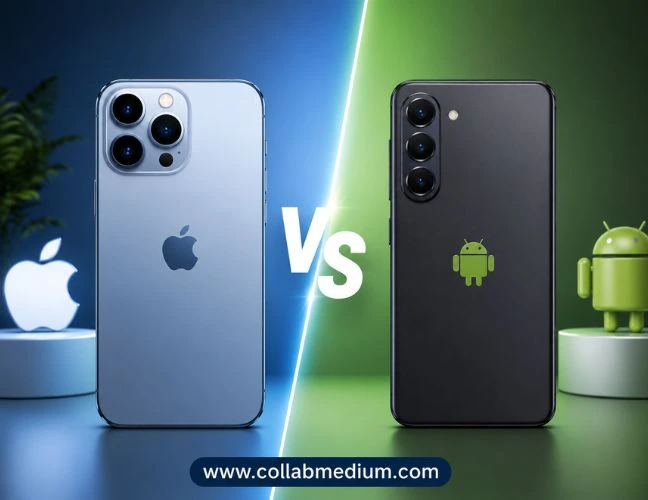
Picking a new phone feels harder than it should. You stand in the store, or scroll through tabs online, and the same question keeps popping up: iPhone vs Android, which one actually fits your life? I’ve watched friends agonize over this decision for weeks, comparing specs sheets and reading reviews that all seem to contradict each other.
This guide breaks down the iPhone vs Android debate in plain language. I’ll walk you through the real differences, the data behind them, and the mistakes people make when switching. By the end, you’ll know exactly which side of the iPhone vs Android divide makes sense for you.
The Core Problem: Too Many Opinions, Not Enough Clarity
Everyone has a strong opinion about their favorite mobile OS. Your coworker swears by Android’s customization. Your sister won’t touch anything but iPhone. Neither one is wrong, but neither answer fits every buyer.
The real issue isn’t which brand is “better” in some abstract sense. It’s which ecosystem matches your habits, your budget, and the apps you already depend on. Once you frame it that way, the choice gets a lot simpler.
iPhone vs Android Market Share in the USA
Numbers help cut through the noise. As of 2026, iPhone holds roughly 58% to 59% of the US smartphone market, while Android sits around 40% to 42%. That’s a meaningful gap, and it has held steady for years.
Globally, the picture flips. Android commands more than 70% of the worldwide market, driven by affordable devices across hundreds of manufacturers. In the US specifically, though, the iPhone vs Android market share story favors Apple, partly due to higher average incomes and partly due to ecosystem loyalty that keeps users locked in once they buy their first iPhone.
Loyalty numbers back this up too. iOS user retention recently hit an all-time high near 94%, compared to roughly 91% for Android. Once people join one camp, they rarely switch back.
Who Are iPhone vs Android Users, Really?
The demographic split between iPhone vs Android users tells its own story. Younger buyers lean heavily toward Apple. Recent survey data shows nearly 79% of American Gen Z smartphone owners favor Apple, with Samsung trailing far behind at 13%. That gap is likely to widen the current US iPhone market share even further over the next few years.
Income plays a role too. Studies tracking iPhone vs Android users found that iPhone owners report higher average annual earnings than Android owners, which helps explain why premium pricing hasn’t slowed Apple’s US momentum. Screen time habits differ as well. iPhone owners average close to five hours of daily phone use, compared to roughly 3.7 hours for Android owners, suggesting deeper day-to-day engagement with the platform.
None of this means one group is smarter or more tech-savvy than the other. It simply means iPhone vs Android users tend to sort themselves by age, income, and how deeply they’ve already invested in a particular ecosystem.
iPhone vs Android: Which Is Better for Everyday Use?
This is the question I get asked most. Honestly, the answer depends on three things: your budget, your existing devices, and how much control you want over your phone’s settings.
Software and Ecosystem
Apple keeps a tight grip on its software. Every iPhone gets updates on the same day, and the interface stays consistent across models. Google takes the opposite approach with Android, letting manufacturers like Samsung and Google itself customize the experience. That flexibility is a strength if you like tinkering, but it can mean slower updates depending on your device maker.
If you already own a MacBook, an iPad, or an Apple Watch, staying inside Apple’s ecosystem makes daily life smoother. Messages, photos, and files sync without extra setup. Android users get similar convenience if they lean on Google’s own apps and services.
Hardware and Design
Apple ships a small handful of models each year. Android, by contrast, spans hundreds of devices at every price point, from budget phones under $150 to premium flagships that rival the iPhone Pro line. That range is Android’s biggest advantage for shoppers on a budget.
How iPhone vs Android Deals Compare
Price is often the deciding factor, and it’s where the pricing comparison gets interesting. Apple rarely discounts new releases, though carriers frequently offer trade-in credits worth several hundred dollars. Android manufacturers, especially outside the top Samsung tier, discount aggressively within months of launch.
If you’re patient, Android tends to reward waiting. Prices on last year’s flagship often drop by 30% or more within a year. iPhone deals usually come through carrier promotions rather than direct price cuts, so timing your purchase around a new iPhone launch can net you a strong trade-in offer on your old device.
App Store vs Google Play: Where the Money Goes
The App Store generated close to $80 billion in revenue during the first half of 2026 alone, far outpacing Google Play’s roughly $36 billion over the same stretch. That gap says a lot about spending habits. iPhone owners spend nearly double what Android owners spend on apps and subscriptions each year.
Developers notice this too. Many premium apps launch on iOS first, then arrive on Android months later, if at all. If you rely heavily on niche productivity or creative apps, that timing gap matters.
Apple Watch and the Wider Ecosystem Question
One factor people underestimate in the iPhone vs Android decision is wearables. The Apple Watch only pairs with an iPhone, full stop. If a smartwatch is on your wish list, that alone can settle the debate before you even compare phone specs.
Android offers more wearable variety through Wear OS, with options from Samsung, Google, and others. None of them match Apple Watch’s polish, but they do work across a wider range of phones.
Comparison Table: iPhone vs Android at a Glance
| Category | iPhone (Apple) | Android (Google) |
| US market share (2026) | ~58% | ~41% |
| Global market share | ~29% | ~71% |
| Average annual app spend | $140 | $69 |
| Update consistency | Same day, all devices | Varies by manufacturer |
| Price range | Premium only | Budget to premium |
| User loyalty rate | ~94% | ~91% |
| Wearable ecosystem | Apple Watch (iPhone only) | Wear OS (broad compatibility) |
Switching From Android to iPhone: What to Know First
Making the jump from Android to iPhone trips people up more than they expect. Photos, messages, and app data don’t always move over cleanly unless you plan ahead.
Apple’s “Move to iOS” app handles most of the heavy lifting, transferring contacts, photos, and calendar events in one pass. Still, some things won’t transfer: paid Android apps, certain fitness data, and any content locked inside apps that don’t support cross-platform sync.
For more Articles related Technology , please visit : https://collabmedium.com/category/technology/
Common Mistakes to Avoid
I’ve seen the same handful of mistakes trip up buyers again and again during a phone upgrade.
Ignoring your existing ecosystem. If you own a Windows laptop and a Fitbit, jumping to the iPhone might create more friction than it solves.
Buying based on specs alone. Camera megapixels and processor speeds matter less than daily usability. A phone that feels awkward in your hand won’t get used, no matter how good the spec sheet looks.
Skipping trade-in research. Both Apple and major Android carriers offer trade-in credit that can cut your upgrade cost significantly. Skipping this step leaves money on the table.
Underestimating storage needs. Base storage tiers fill up fast with photos and videos. Spend the extra money upfront rather than fighting notifications about full storage later.
Pro Tips From Experience
After years of testing both platforms and helping friends switch, here’s what actually helps:
Set a real budget before you shop, and stick to it even when a salesperson pushes an upsell. Check your carrier’s current promotions before buying anywhere else, since trade-in bonuses shift monthly. Read a few hands-on reviews rather than spec comparisons, since real-world battery life and camera performance rarely match marketing claims.
FAQs
Is iPhone or Android more popular in the US?
iPhone leads in the US with about 58% market share compared to Android’s 41%. Globally, Android dominates with over 70% share.
Which is better for switching between devices, iPhone vs Android?
iPhone offers smoother syncing within Apple’s own ecosystem. Android offers more flexibility across brands and price points.
Do iPhone users spend more on apps than Android users?
Yes. iPhone owners spend close to $140 annually on apps, nearly double the $69 Android users spend on average.
Is it hard to switch from Android to iPhone?
Apple’s Move to iOS app transfers most data smoothly. Paid apps and some fitness data typically don’t transfer over.