
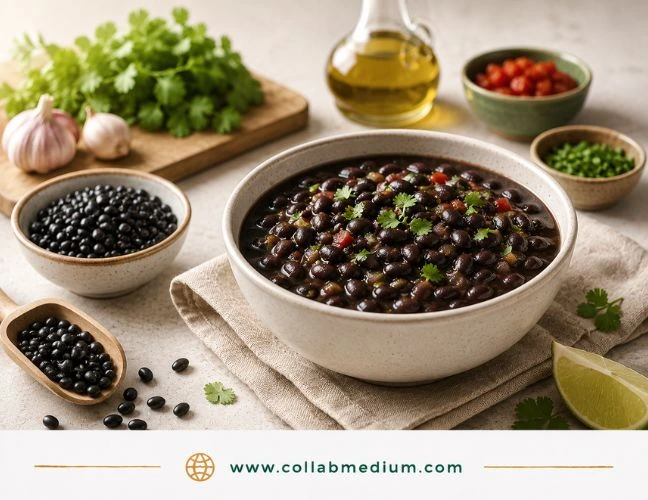
Most people give up on dried black beans after one bad batch. The beans come out too hard, too mushy, or they take hours longer than the recipe promised. Here is the direct answer. They need a proper soak, fresh water, and a slow simmer. Most failures trace back to old beans or hard water rather than anything you did wrong. A one pound bag yields roughly six cups cooked. It costs a fraction of the canned equivalent and delivers about 15 grams of protein and 15 grams of fiber per cooked cup. Get the basics right once and this pantry staple becomes one of the easiest, cheapest proteins in your kitchen.
I have cooked dried black beans every week for years, first out of necessity and later out of habit. The lessons came slowly. I ruined pots. I doubted good beans. I blamed the wrong culprit more than once. This guide covers everything I wish someone had told me on day one.
Why Dried Black Beans Deserve a Spot in Your Pantry
Grocery prices keep climbing, and protein is one of the categories hit hardest. This pantry staple remains one of the few exceptions. A pound typically costs between $1.50 and $2.50, and it stretches across multiple meals.
The USDA Dietary Guidelines for Americans recommend eating about 1.5 cups of beans and legumes each week. This staple meets that goal easily. It is nutrient dense too, carrying iron, potassium, folate, and zinc alongside fiber and protein.
Shelf life is another advantage. Properly stored, they stay at peak quality for one to two years at room temperature. That makes them a smart choice for anyone building a pantry that can handle a busy week or a tight budget. Compare that to fresh produce, which spoils within a week, and the value becomes obvious. A ten pound bag purchased at a warehouse club can drop the per pound price even further, which matters if you cook for a larger household.
The Real Problem With Cooking Dried Black Beans
Here is the mistake almost everyone makes. They buy a bag, skip the soak, and dump the beans straight into a pot. They expect canned bean results in twenty minutes. That almost never works.
Bean age is the other silent culprit. Beans sitting in a warehouse or pantry for two or three years take noticeably longer to soften. This happens no matter how long you simmer them. Buying from a store with steady turnover matters more than people realize.
Hard water is a third factor nobody talks about enough. Minerals in hard water interfere with how bean skins soften during cooking. If your pot stays tough after ninety minutes of simmering, your water might be the reason, not your technique.
How to Cook Dried Black Beans the Right Way
Start with a rinse. Spread the beans on a tray. Pick out any small stones or shriveled beans before rinsing under cold water.
Soaking is the next step, and you have two solid options. An overnight soak in cold water for eight hours works well for most kitchens. A quick soak gets you nearly the same result in far less time. Boil the beans for two minutes, then let them rest covered for one hour.
After soaking, drain and rinse again. Cover with fresh water by about two inches. Bring the pot to a gentle boil, then drop it to a low simmer. Most soaked batches finish cooking in 60 to 90 minutes on the stovetop.
Salt timing causes more confusion than it should. Older advice claimed that salting early made the skins tough. Modern testing from sources like America’s Test Kitchen has largely debunked that myth. Salting your cooking water from the start seasons the beans more evenly. It does not meaningfully slow softening.
Pressure Cooking Dried Black Beans for Speed
An Instant Pot or other electric pressure cooker cuts cooking time dramatically. Soaked beans typically need just 8 to 10 minutes at high pressure, plus natural release. Unsoaked beans can go straight into the pressure cooker too. They usually need 25 to 30 minutes at high pressure instead.
This method has become popular for a good reason. Busy home cooks get tender, evenly cooked results without babysitting a pot on the stove for ninety minutes. It also frees up the stovetop for the rest of dinner, which matters most on weeknights when time is tight.
Dried Black Beans vs. Canned: A Quick Comparison
The table below breaks down the practical differences so you can decide which option fits your week.
Dried Black Beans vs. Canned Black Beans
| Factor | Dried | Canned |
| Cost per serving | $0.15-$0.25 | $0.40-$0.60 |
| Sodium control | Full control | Higher, unless rinsed |
| Prep time | 8-24 hours plus cooking | Ready in minutes |
| Texture | Firmer, customizable | Softer, sometimes mushy |
| Shelf life | 1-2 years | 2-5 years |
| Best for | Batch cooking, meal prep | Fast weeknight meals |
Cost estimates reflect average U.S. grocery pricing as of 2026.
If your household leans toward batch cooking to save money elsewhere too, our guide on where to travel on a budget in 2026 applies the same stretch-your-dollar thinking to trips instead of groceries.
Tools and Platforms That Make Cooking Easier
An Instant Pot or Crock-Pot Express handles both soaking shortcuts and full cooking in one appliance. Both brands sell models specifically marketed for legume cooking.
Rancho Gordo has built a loyal following for heirloom black beans with noticeably fresher flavor than supermarket bags. Bob’s Red Mill and Goya remain reliable, widely available options for everyday cooking. Trader Joe’s also stocks a solid budget option worth trying if you have one nearby.
Apps like AnyList and Mealime help you build a rotating grocery list that keeps dried black beans in regular rotation instead of forgotten in the back of a cabinet. Some grocery apps now also track pantry inventory automatically, which helps you avoid buying a fourth bag when three are already sitting untouched on the shelf. The USDA’s Serve More Dry Beans and Peas guide also breaks down nutrition comparisons across legume varieties if you want to branch out beyond black beans specifically.
If you are reorganizing your kitchen to make room for pantry staples, our guide on property improvement planning covers how to prioritize smart, high-return storage upgrades instead of guessing where to spend first.
Common Mistakes to Avoid With Dried Black Beans
Buying beans with no visible date. Old stock takes far longer to cook and never fully softens. Buy from stores with steady turnover.
Skipping the soak entirely. Unsoaked beans can still work in a pressure cooker. Stovetop cooking without soaking just wastes hours.
Cooking at a rolling boil. A hard boil breaks bean skins apart. A gentle simmer keeps them intact while they soften evenly.
Ignoring your water quality. Hard water genuinely slows softening. A pinch of baking soda in the soaking water can help in tough water areas.
Tossing the cooking liquid. The liquid left behind is nutrient rich. It makes a great base for soups or rice.
Pro Tips From Years of Cooking Dried Black Beans
Tip 1: Add a strip of kombu. A small piece of kombu seaweed in the pot reportedly improves digestibility. It also adds subtle depth to the broth.
Tip 2: Batch cook and freeze in portions. Cooked beans freeze well for up to six months. Freeze them in one or two cup portions for easy weeknight use.
Tip 3: Save the bean broth. Do not drain and discard the liquid. It thickens naturally and works beautifully in chili or rice dishes.
Tip 4: Taste test before fully cooked. Start checking around the 45 minute mark. That way you do not overshoot the ideal texture.
Tip 5: Label your freezer bags. Write the date and quantity on every bag. Nothing gets lost or wasted in the back of the freezer that way.
Dried black beans reward a little patience with real savings and genuinely better flavor than the canned version most people default to. Once you get the soak and simmer timing down, cooking a pot becomes second nature. It stops feeling like a project. The upfront planning pays off every time you open the freezer to a stash of ready-to-use beans instead of running back to the store.
Frequently Asked Questions
How long do dried black beans need to soak?
They need at least eight hours in an overnight soak, or one hour using the quick soak method. Both methods produce similar results before cooking.
Do black beans need to be soaked before pressure cooking?
No, they can go straight into a pressure cooker without soaking. Unsoaked beans typically need 25 to 30 minutes at high pressure.
Why are my black beans still hard after cooking?
Old beans and hard water are the most common causes of this problem. Try a fresher bag or add a small pinch of baking soda to your cooking water.
How long do cooked dried black beans last in the fridge?
They stay fresh in the refrigerator for about five days in a sealed container. For longer storage, freeze them for up to six months.