
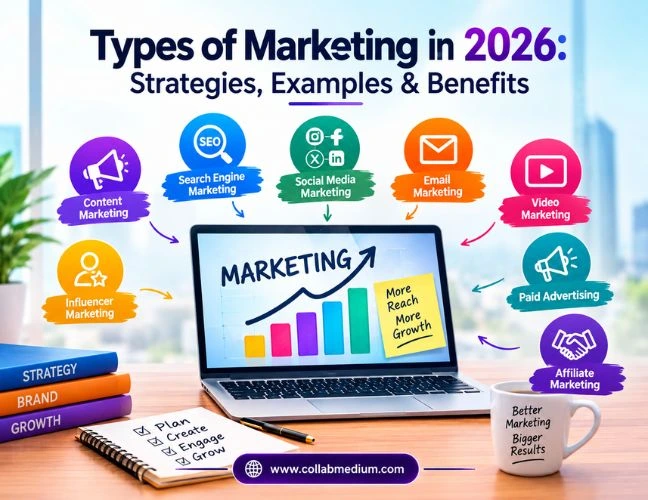
I remember sitting with a small business owner who asked me one simple question. Which marketing channel should she actually use? She had heard about ads, email, blogs, and social posts. Nobody had explained how these pieces fit together.
That confusion is common. Businesses often pick a channel because a competitor uses it, not because it fits their goals. This guide breaks down the main categories so you can build a smarter plan. I will walk through each option, share real examples, and point out where most people go wrong.
Why It Helps to Understand Different Marketing Categories
Every business reaches customers differently. A local bakery needs different tactics than a software company. Knowing your options helps you avoid wasted budget and missed opportunities.
Marketing spending keeps climbing every year. Businesses now split budgets across search ads, social platforms, email tools, and content teams. Picking the wrong mix can drain your budget fast. Picking the right one builds steady, compounding growth.
The Real Cost of Picking the Wrong Channel
I have seen small teams burn through months of budget on the wrong platform. The product was solid. The messaging just never reached the right audience. A quick review of goals and audience habits before spending a dollar prevents most of this pain.
Digital Marketing: Meeting Customers Where They Already Are
Digital marketing covers every promotional effort that happens online. This includes social media, paid ads, email, and websites. It gives you precise targeting and instant performance data.
Small businesses love digital marketing because it levels the playing field. A local shop can compete with a national brand using smart targeting instead of a massive budget. Platforms like Meta and Google let you set daily spending caps as low as a few dollars.
The biggest advantage is measurement. You can see exactly which ad, email, or post drove a sale. Traditional billboards and print ads never offered that kind of clarity.
Popular Channels Worth Testing First
Paid social ads, search ads, influencer partnerships, and organic social posts all fall under this category. Most beginners start with one paid channel and one organic channel, then expand once early results show promise.
If you want a deeper walkthrough on building your channel mix from scratch, our guide on building a digital marketing strategy that works covers the planning process step by step.
Content Marketing: Earning Trust Before You Ever Ask for a Sale
Content marketing focuses on publishing helpful material instead of running direct ads. Blog posts, videos, podcasts, and guides all fall under this umbrella. The goal is simple. Answer questions your audience already has.
This approach plays a long game. A helpful blog post can attract visitors for years after publication. It also builds authority, which search engines reward with better rankings over time.
Brands that publish consistently see stronger organic traffic and more repeat visitors. A well-written guide often outperforms a paid ad because readers trust it more. For a full breakdown of building a content engine that scales, check out this detailed guide on growing your brand through content marketing.
Search Engine Marketing: Paid Visibility When Timing Matters
Search engine marketing, often shortened to SEM, means paying to appear at the top of search results. Google Ads is the most common platform for this approach. You bid on keywords, and your ad shows when someone searches those terms.
This method works well when you need fast results. A new product launch or seasonal sale benefits from instant visibility. Unlike organic content, which takes months to rank, paid search can appear within hours of launching a campaign.
The tradeoff is cost. Once your budget runs out, the visibility disappears immediately. Many businesses blend SEM with organic content so they are not fully dependent on ad spend.
Email Marketing: The Channel Businesses Keep Underestimating
Email marketing involves sending targeted messages directly to subscribers. Newsletters, promotional offers, and automated welcome sequences all count here. It remains one of the most cost-effective channels available today.
According to Litmus’s State of Email report, email marketing generates an average return of $36 for every $1 spent. That return is difficult to match with any other channel.
The key to success is segmentation. Sending the same message to every subscriber wastes the channel’s potential. Grouping subscribers by behavior or purchase history dramatically improves open and click rates.
Product Marketing: Connecting Features to Real Customer Needs
Product marketing sits between product development and traditional promotion. It focuses on positioning, messaging, and helping customers understand why a product matters to them specifically.
This type of marketing answers a different question than the others. Instead of asking how to reach people, it asks what story to tell once you have their attention. A great product marketer translates technical features into clear customer benefits.
Software companies rely heavily on this approach. Launch messaging, pricing pages, and onboarding flows are all shaped by product marketing decisions. Getting this wrong means customers do not understand your value even if the product is excellent.
Comparing Popular Marketing Categories at a Glance
The table below breaks down how these approaches differ in cost, timeline, and best use case.
| Category | Typical Cost | Time to Results | Best For |
| Digital Marketing | Low to High | Days to Weeks | Broad online reach |
| Content Marketing | Low to Medium | Months | Long-term authority |
| Search Engine Marketing | Medium to High | Hours to Days | Fast, targeted visibility |
| Email Marketing | Low | Days | Repeat customers |
| Product Marketing | Medium | Weeks to Months | Clear positioning |
Costs and timelines vary based on industry, competition, and campaign scope.
Common Mistakes Businesses Make With Their Marketing Mix
Chasing every channel at once. Spreading a small budget across five platforms usually means doing none of them well.
Ignoring the buyer journey. Cold traffic needs different messaging than a returning customer. Treating both groups the same lowers conversion rates.
Skipping measurement. Businesses that do not track results repeat the same mistakes month after month.
Copying a competitor blindly. What works for one brand may not fit your audience, budget, or goals.
Underfunding content. Many teams treat blogging as an afterthought, then wonder why organic traffic stays flat.
Pro Tips for Choosing the Right Approach
Tip 1: Start with one primary channel. Master it before adding a second. Spreading attention too thin slows early momentum.
Tip 2: Match the channel to your sales cycle. Fast-moving products often benefit from paid search. Complex purchases benefit more from content and email nurture sequences.
Tip 3: Reuse content across formats. A single blog post can become an email, several social posts, and a short video script.
Tip 4: Review performance monthly. Small adjustments compound. Waiting a full year to review results wastes valuable data.
Tip 5: Keep messaging consistent. Your website, ads, and emails should sound like the same brand, not three different companies.
Helpful Tools for Managing Different Campaigns
HubSpot and Mailchimp both simplify email automation and audience segmentation. Google Ads and Meta Ads Manager remain the standard platforms for paid search and social campaigns. Canva and Adobe Express speed up content creation for smaller teams without a design department.
Analytics platforms like Google Analytics and Semrush help track which efforts actually drive revenue. Choosing the right tool matters less than reviewing the data it gives you on a regular basis.
Frequently Asked Questions
What is digital marketing?
Digital marketing is any promotional activity that happens online, including social media, paid ads, email, and websites. It allows precise audience targeting and measurable results in real time.
What is content marketing?
Content marketing means creating helpful material like blogs, videos, and guides to attract and educate an audience. It builds trust and organic visibility instead of relying on direct paid promotion.
What is search engine marketing?
Search engine marketing is the practice of paying for ad placement in search results, most commonly through Google Ads. It delivers fast visibility for specific keywords and campaigns.
Is email marketing still effective in 2026?
Yes, email marketing remains highly effective in 2026. It offers strong returns because it reaches people who already opted in to hear from a brand, making messages more relevant.