
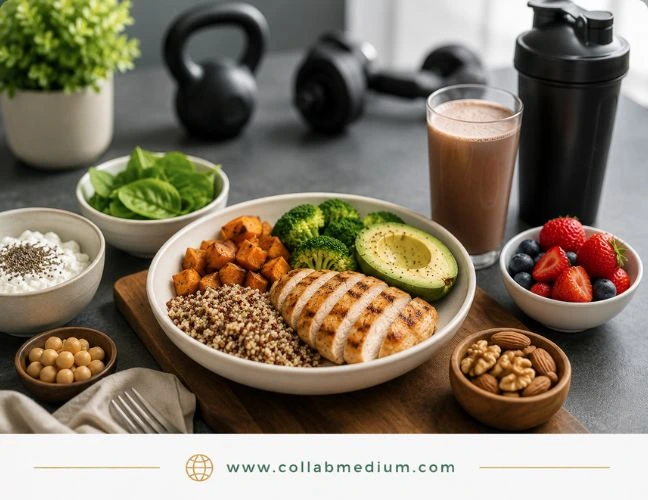
Your muscles do not repair themselves through willpower alone. They need the right fuel at the right time. The best recovery food combines protein, carbohydrates, and hydration to help your body rebuild stronger after exercise. Eating within the first hour after a workout gives your muscles the raw materials they need to recover fast.
This guide breaks down exactly what is the best recovery food for your goals, why timing matters, and which mistakes quietly slow your progress. You will also find practical meal ideas, a comparison table, and pro tips built from years of coaching everyday athletes. By the end, you will know precisely how to fuel your body so soreness fades faster and your next workout feels stronger.
Why Finding the Best Recovery Food Actually Matters
Most people focus entirely on their workout and forget what happens afterward. That is a costly mistake. The best recovery food is not an afterthought. It is the second half of the training equation.
When you exercise, you create tiny tears in your muscle fibers. Your body needs protein to rebuild that tissue and carbohydrates to restore glycogen stores. Skip this step and you extend soreness, slow muscle recovery, and blunt your results.
According to the Academy of Nutrition and Dietetics, eating a combination of protein and carbohydrates within two hours of exercise supports optimal glycogen replenishment and muscle repair. That window is often called the anabolic window, and it matters more than most casual gym-goers realize.
What Makes a Food Qualify as the Best Recovery Food
Not every snack after a workout counts as smart fuel. The best recovery food usually contains three things. First, a solid dose of protein, generally 20 to 30 grams. Second, complex or fast-digesting carbohydrates to refill glycogen. Third, fluids and electrolytes to replace what sweat took away.
Foods lacking these elements might taste good, but they will not actively support muscle recovery. That distinction separates casual eating from strategic recovery.
The Core Problem: Why So Many People Get Recovery Wrong
Here is what I see constantly with new clients. They train hard, then either skip food entirely or grab whatever is closest. Neither approach helps.
Some people avoid eating after a workout because they worry about undoing their calorie deficit. This backfires. Under-fueling after intense training slows recovery and can lead to muscle loss over time, according to research published by the International Society of Sports Nutrition.
Others eat the wrong things. A candy bar delivers sugar but skips the protein your muscles actually need. A big greasy meal sits heavy and digests too slowly to support quick recovery. Figuring out what is the best recovery food for your specific situation removes the guesswork.
The Real Cost of Getting This Wrong
Poor recovery choices add up over weeks and months. You feel more sore than necessary. Your energy dips before your next session. Progress stalls even though you are training consistently.
I have watched clients transform their results simply by fixing this one habit. Once they understood the best recovery food for their routine, soreness dropped and strength gains picked up noticeably within a few weeks.
Practical Solutions: Building Your Recovery Plate
Let’s get specific. A great post workout meal does not need to be complicated. Here are combinations that consistently work well for muscle recovery.
Grilled chicken with rice and steamed vegetables covers protein and carbohydrates cleanly. Greek yogurt with berries and a drizzle of honey works fast when you need something quick. A protein smoothie with banana, spinach, and whey protein powder digests easily even when your appetite is low right after training.
Chocolate milk remains a surprisingly strong pick. Research from sports nutrition circles has repeatedly shown its natural 3:1 carbohydrate to protein ratio closely matches what commercial recovery drinks try to replicate.
Best Recovery Food Options by Category
| Food Category | Example Options | Protein Source | Best Used After |
| Dairy-Based | Greek yogurt, chocolate milk | Casein and whey | Weight training |
| Lean Protein | Grilled chicken, salmon, eggs | Complete protein | Strength sessions |
| Plant-Based | Lentils, tofu, quinoa bowls | Plant protein | Endurance training |
| Quick Snacks | Protein bars, trail mix | Mixed protein | Time-limited breaks |
| Hydrating Options | Coconut water, electrolyte drinks | Minimal | Long cardio sessions |
This table gives you a starting point. Rotate through categories depending on your training type and how much time you have to eat.
Post Workout Meal Timing and Muscle Recovery
Timing genuinely matters for muscle recovery, though it is less dramatic than internet myths suggest. Eating within thirty to sixty minutes after training gives your body a head start on repair. Waiting three or four hours is not a disaster, but it does slow the process down.
If you train fasted or early in the morning, plan your best recovery food ahead of time. A packed protein shake or a pre-made container of chicken and rice removes the excuse to skip your meal.
Healthy Breakfast Ideas That Double as Recovery Fuel
Morning workouts create a unique challenge. Your recovery meal and your breakfast often become the same event. Healthy breakfast ideas that support muscle recovery usually combine eggs, whole grains, and fruit.
Try scrambled eggs with whole wheat toast and a side of berries. Overnight oats with protein powder and sliced banana also work well and can be prepped the night before. A high protein breakfast keeps you full longer and gives your muscles the amino acids they need to keep rebuilding through the morning.
Steel-cut oats topped with Greek yogurt and walnuts deliver fiber, protein, and healthy fats in one bowl. This combination supports both digestion and muscle recovery at once.
Healthy Lunch Ideas for Sustained Energy
By midday, your body is still processing the repair work from an earlier workout. Healthy lunch ideas that support this process include grain bowls with lean protein, roasted vegetables, and a source of healthy fat like avocado or olive oil.
A turkey and hummus wrap on whole grain bread offers a balanced mix of protein and complex carbohydrates. Pairing it with a piece of healthy fruit, like an apple or orange, adds fiber and natural sugars that help maintain steady energy levels through the afternoon.
Healthy Fast Food Choices When You Are Short on Time
Life gets busy, and sometimes a home-cooked meal is not realistic. Healthy fast food does exist if you know where to look. Many chains now offer grilled chicken options, bowls with lean protein, and sides that skip the deep fryer.
Look for grilled over fried, ask for dressings on the side, and choose water or unsweetened tea instead of soda. A grilled chicken bowl with beans and rice from a fast-casual chain can genuinely double as a solid post workout meal when your schedule is tight.
The Role of Healthy Fruit in Recovery
Healthy fruit deserves more credit in recovery conversations. Fruit delivers fast-digesting carbohydrates along with antioxidants that help manage exercise-induced inflammation.
Bananas remain a classic choice because they combine easy digestion with potassium, which supports muscle function. Berries bring antioxidants that may help reduce oxidative stress from intense training. Pineapple contains bromelain, an enzyme some athletes believe helps with inflammation, though more research is still needed on that specific claim.
Best Exercise Before Breakfast and How It Changes Your Recovery Needs
Some people prefer training before eating anything at all. The best exercise before breakfast for fasted training tends to be lower-intensity work like walking, light cycling, or a gentle yoga session. Intense strength training on an empty stomach can leave you feeling drained and may increase muscle breakdown if recovery nutrition is delayed too long afterward.
If you train fasted, make your post workout meal a priority immediately afterward. Your body has been running on stored energy, so replenishing it quickly supports better muscle recovery and steadier energy for the rest of your day.
Tools and Platforms That Make Recovery Nutrition Easier
Technology can take a lot of the guesswork out of finding the best recovery food. MyFitnessPal helps you track protein and carbohydrate intake around your workouts without much effort. Cronometer offers more detailed micronutrient tracking for people who want a deeper look at electrolytes and vitamins.
Meal delivery services like Trifecta Nutrition and Factor specialize in pre-portioned meals built around athletic recovery goals. For quick smoothie options, brands like Orgain and Vega offer plant-based protein powders that blend easily into a fast post workout meal.
Fitness trackers like Whoop and Garmin also estimate recovery status based on heart rate variability, which can help you decide how aggressive your next meal and workout should be.
Common Mistakes to Avoid With Recovery Nutrition
Skipping food entirely after training. This is the single biggest mistake I see. Your body needs fuel to rebuild, regardless of your calorie goals.
Relying only on protein. Carbohydrates matter just as much for restoring glycogen. A protein-only recovery meal leaves half the job undone.
Choosing convenience over quality every time. Occasional healthy fast food is fine, but a steady diet of processed options undermines muscle recovery over weeks.
Ignoring hydration. Water and electrolytes are just as essential, especially after sweaty or long sessions.
Waiting too long to eat. A four or five hour gap after training slows the repair process more than most people realize.
Pro Tips From Years of Coaching Recovery Nutrition
Tip 1: Prep your recovery meal before you train. Having food ready removes the temptation to skip it or grab something low quality.
Tip 2: Keep a recovery shake in your gym bag. A shaker bottle with protein powder means you are never caught without options.
Tip 3: Match your carbohydrate intake to your workout intensity. Harder sessions burn through more glycogen and need more carbohydrates to restore it.
Tip 4: Do not fear carbs after training. This is when your body uses them most efficiently for muscle recovery.
Tip 5: Track your energy for two weeks after dialing in your recovery food. Most people notice a real difference in soreness and workout performance within that window.
How Recovery Nutrition Fits Into Overall Wellness
Muscle recovery is just one piece of a much bigger picture. Sleep, hydration, stress management, and nutrition all work together to support overall wellness. Eating the best recovery food helps your muscles rebuild, but poor sleep can undercut those same gains. Chronic stress raises cortisol, which can interfere with how efficiently your body uses the nutrients you give it.
Think of wellness as a system where every component supports the others. Strong nutrition fuels better workouts. Better workouts improve sleep quality. Better sleep supports hormone balance and mental clarity. When one piece breaks down, the rest of the system feels the strain. Treating your best recovery food choices as one part of that larger system, rather than an isolated fix, leads to more consistent long-term results.
Frequently Asked Questions
What is the best recovery food after a workout?
The best recovery food combines protein and carbohydrates in a roughly 1:2 or 1:3 ratio. Options like chocolate milk, a chicken and rice bowl, or a protein smoothie with fruit all work well.
How soon should I eat after exercising?
Aim to eat within thirty to sixty minutes after training when possible. This window helps replenish glycogen and gives your muscles amino acids to begin repairing tissue.
Can fruit alone count as a good recovery snack?
Fruit alone provides fast carbohydrates and antioxidants but lacks sufficient protein. Pair fruit with a protein source like yogurt or a protein shake for a more complete recovery snack.
Is chocolate milk really a good recovery food?
Yes, chocolate milk offers a natural carbohydrate to protein ratio that closely matches many commercial recovery drinks. It also provides hydration and calcium, making it a convenient and affordable option.