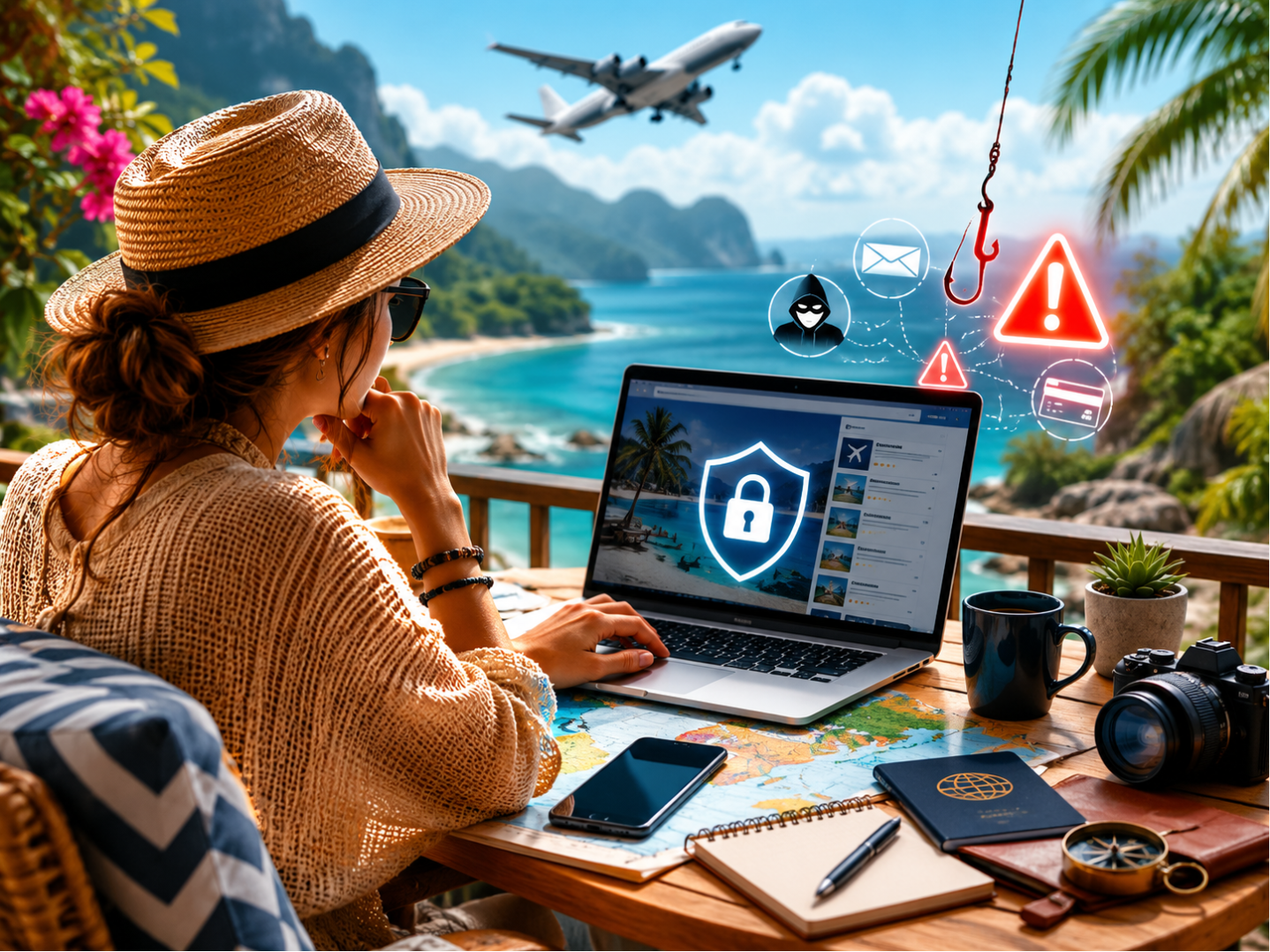
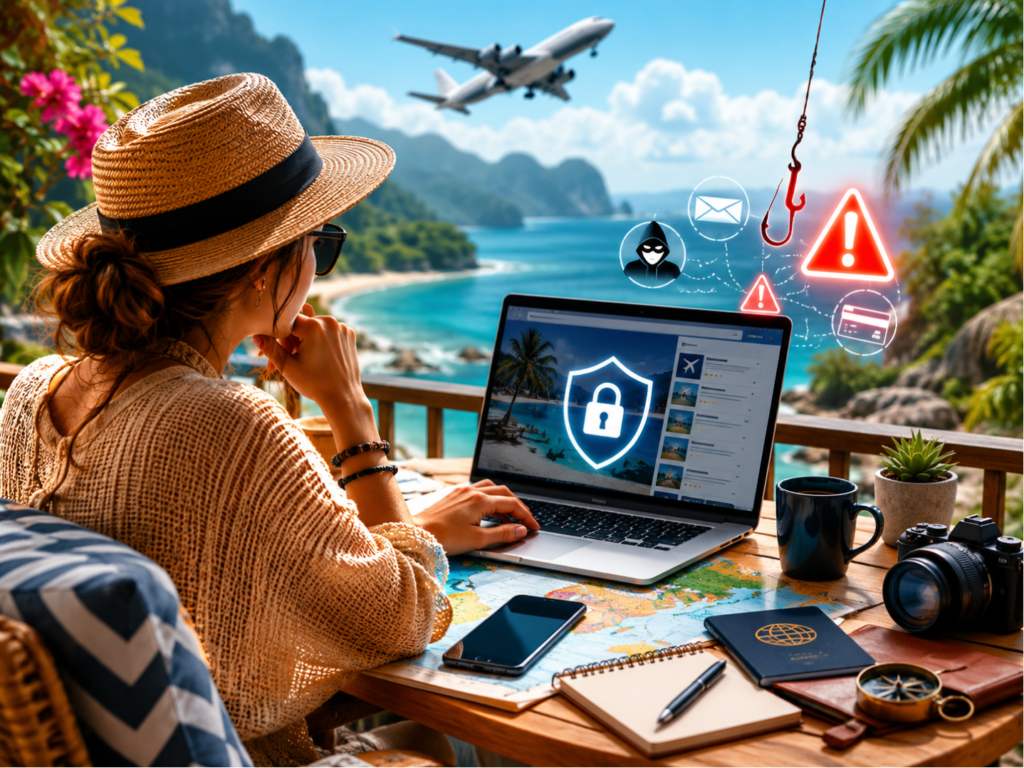
Many professionals dream of merging their careers with globe-trotting adventures, but booking accommodations, flights, and activities can expose them to clever scams. Recent cases highlight how even experienced individuals can be caught off guard during routine booking interactions. One independent coverage detailed a tech expert who fell victim during what seemed like a standard verification call tied to travel arrangements, underscoring that vigilance remains essential regardless of technical know-how. In such situations, travelers sometimes rely on loans to recover momentum after disruptions derail carefully laid plans. For instance, a freelance designer from Austin lost access to her accounts after sharing details during a fabricated flight change request, forcing her to tap into credit resources mid-journey while she rebuilt her itinerary from scratch in a foreign airport lounge.
Identifying Phone and Digital Booking Frauds
Travel scams often begin with unsolicited contact that mimics legitimate providers. Callers may claim issues with a reservation or request immediate confirmation of details, steering the conversation toward personal information or transfers. These tactics exploit the urgency many feel when finalizing flights or accommodations from afar. Illustrative examples include impersonating airline support or hotel staff, where the scammer creates a sense of crisis around a supposed booking error. The goal is quick action before doubt sets in. Travelers benefit from pausing any conversation that pressures for data or payments outside official channels. Verifying through the provider’s main website or app, rather than replying to the contact, adds a layer of protection. Over time, recognizing patterns such as unexpected urgency or requests to move to another platform helps reduce exposure during the planning phase. A remote software engineer recently described receiving a call claiming his hotel in Lisbon had overbooked; the scammer pushed for a wire transfer to secure an upgrade, but the traveler halted the process by cross-checking directly via the hotel app and discovered the entire interaction was fabricated.
Digital variants often arrive via email or messaging apps disguised as booking confirmations with malicious links. Scammers may pose as popular platforms like Airbnb or Booking.com, attaching fake invoices that prompt users to update payment information. In one documented case, a content creator en route to Bali clicked a link in what appeared to be an urgent reservation update and inadvertently installed malware that captured her banking credentials. Experts recommend never clicking links in unsolicited messages and instead navigating manually to trusted sites. Another layer involves social media ads promising discounted adventure tours that redirect to phishing pages collecting passport details under the guise of registration. Building awareness of these entry points allows digital nomads to maintain smoother workflows without constant second-guessing.
Economic Patterns and Their Influence on Travel Decisions
Broad economic conditions shape how people approach trip budgeting and timing. This overview from recent analysis shows the US economy continuing to demonstrate resilience despite various pressures, which can encourage spontaneous or extended travel among remote workers. However, that same stability does not eliminate personal financial risks when scams intervene. When unexpected losses occur, the ripple effects touch everything from daily itineraries to longer-term savings goals. Many digital nomads monitor currency fluctuations and destination costs closely, yet emotional investment in a trip can cloud judgment during a scam attempt. Independent coverage suggests maintaining separate emergency funds specifically for travel helps buffer against both market shifts and fraudulent incidents. Planning with flexibility, such as refundable options where available, further supports continuity even when external factors change. A graphic designer who had budgeted tightly for a six-month circuit through Southeast Asia found her savings depleted after a fake customs fee scam; the incident prompted her to adopt stricter verification routines and diversify her financial buffers across multiple accounts. For more on this, see ‘I should know better’ tech expert lost £70,000 i.
Practical Steps for Secure Trip Arrangements
Preparation starts well before departure with layered verification habits. Using official apps and websites exclusively for bookings reduces interception risks. Enabling two-factor authentication on all travel accounts adds security without much extra effort. When communicating with providers, stick to documented channels and keep records of every exchange. For longer stays, comparing multiple sources before committing prevents over-reliance on any single platform. In regions with variable connectivity, downloading confirmation details offline proves useful. These routines become second nature with repetition and help maintain focus on the journey itself rather than recovery from setbacks. Travelers who build small checklists for each booking stage report fewer last-minute complications overall. For example, one nomad maintains a shared spreadsheet logging every confirmation number, agent name, and timestamp, which proved invaluable when disputing a fraudulent charge that appeared weeks after a booking in Morocco.
Considering Longer Stays and Local Ties
Some digital nomads eventually explore more permanent connections in favorite destinations, which introduces new considerations around housing and local regulations. For those eyeing opportunities in the United States, topics like real estate license in SC surface when weighing relocation or investment angles alongside continued travel. Understanding licensing requirements supports informed decisions about property-related aspects of extended living abroad. This angle complements shorter trips by opening pathways to hybrid lifestyles that combine movement with roots in one area. Researching such options early prevents surprises if a temporary visit evolves into something more settled. A photographer who split time between Colombia and Charleston discovered that securing proper credentials allowed her to purchase a small co-working space, turning a scam-related setback into an opportunity for diversified income while still maintaining her nomadic schedule. A helpful Why the US economy keeps defying the odds covers this in detail.
Recovery Approaches After a Disruption
When issues arise, immediate steps focus on containment and documentation. Contacting the actual service provider through verified methods helps clarify what occurred. Reporting suspicious activity to relevant platforms and authorities contributes to broader awareness that protects the wider travel community. Rebuilding plans often involves reassessing budgets and timelines with fresh perspective. Many find value in community forums where fellow travelers share anonymized experiences, offering practical tips without promoting specific services. Over repeated journeys, these lessons accumulate into stronger personal protocols that support both spontaneous adventures and structured itineraries. The combination of awareness, preparation, and adaptability allows the core appeal of travel to endure even when challenges appear. One traveler who lost several hundred dollars to a fake rental deposit used the experience to create a public resource guide shared across nomad networks, helping dozens avoid similar pitfalls on subsequent trips.
Leveraging Technology Tools for Ongoing Protection
Modern tools extend beyond basic authentication to include virtual payment methods and VPN usage during bookings. Services that generate single-use card numbers limit exposure if details are compromised, while encrypted communication apps reduce interception risks on public networks. Digital nomads increasingly adopt password managers synced across devices to avoid reusing credentials that scammers might exploit after a single breach. Regular software updates on phones and laptops close vulnerabilities that fraudsters target when travelers operate from unfamiliar locations. Integrating these practices into daily routines creates a proactive defense layer that complements human vigilance without adding significant time overhead.
Building Community-Driven Awareness Networks
Peer support groups on platforms dedicated to remote workers provide real-time alerts about emerging scams in specific regions. Members often post screenshots of suspicious messages or share successful verification strategies tailored to popular hubs like Lisbon or Chiang Mai. These networks foster accountability, encouraging travelers to double-check one another’s experiences before committing funds. Over time, collective knowledge helps shift industry standards as platforms respond to aggregated reports with improved safeguards. Engaging consistently in such communities transforms individual setbacks into shared resilience that benefits the broader digital nomad population.