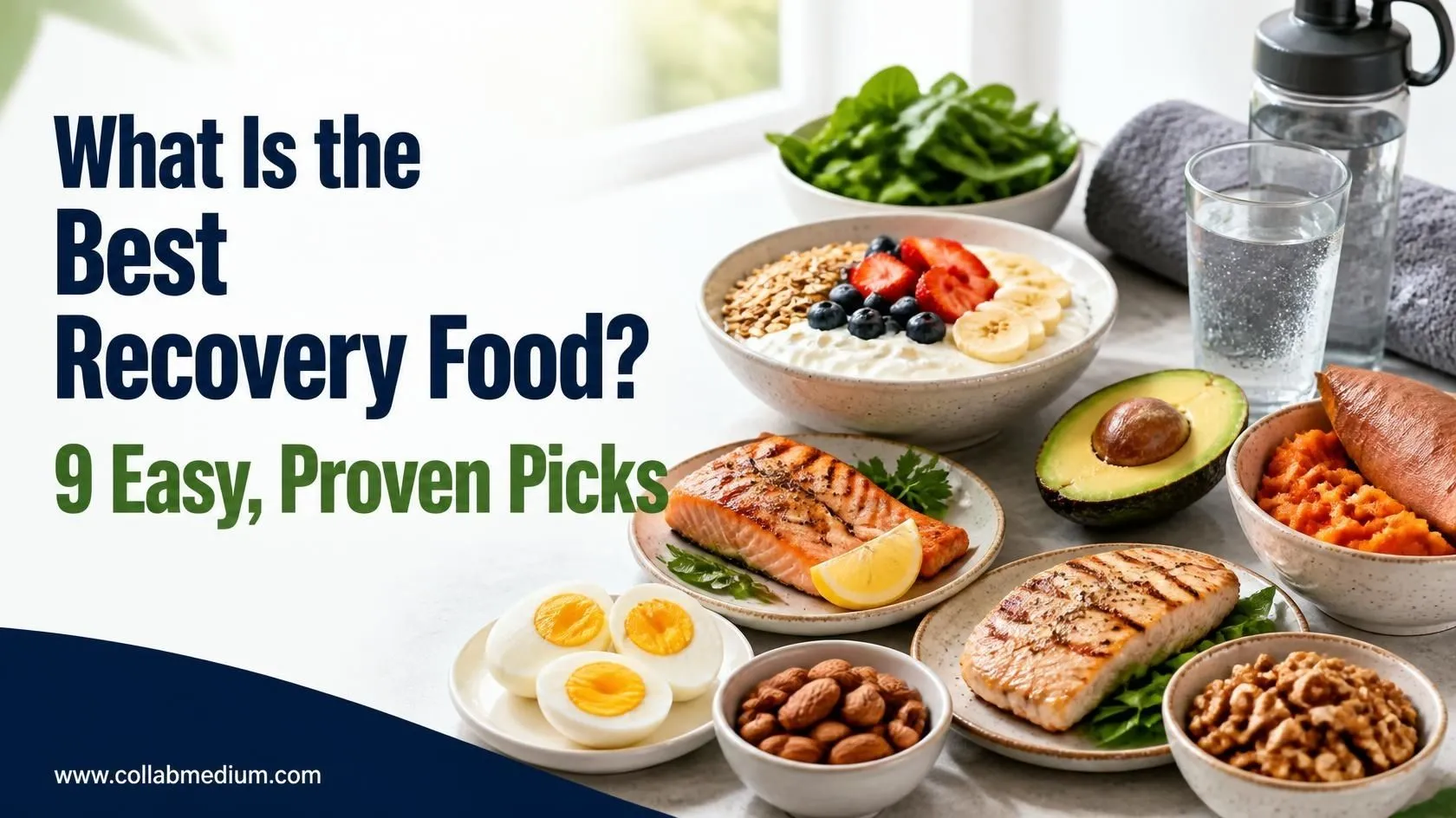

What is the best recovery food after a hard workout? Readers ask me this every week. After ten years of writing about nutrition, I give the same short answer. The best recovery food pairs quality protein with fast carbohydrates and plenty of fluid. This step-by-step guide shows you how to build that meal at home.
Why Recovery Food Matters
Hard training breaks down muscle fibers and drains glycogen. Glycogen is the carbohydrate fuel your muscles store. If you skip food afterward, you stay sore longer. You also feel flat at your next session.
I made this mistake for years. I finished long runs, skipped breakfast, and wondered why my legs felt heavy all week. One simple meal fixed that within days.
The International Society of Sports Nutrition backs this approach. Its position stand on nutrient timing says protein eaten within two hours after exercise triggers a strong rise in muscle protein synthesis. In plain terms, your body rebuilds muscle faster when you feed it on time.
Step 1: Know What Your Body Needs After Exercise
Your body needs three things after training. It needs protein to repair muscle. It needs carbohydrates to refill glycogen. It needs fluid and sodium to replace sweat.
Here is a quick breakdown.
| Nutrient | Job After Exercise | Typical Target |
| Protein | Repairs muscle fibers | About 20 to 40 grams per meal |
| Carbohydrates | Refills glycogen stores | 3 to 4 grams for every 1 gram of protein after endurance work |
| Fluids and sodium | Replace sweat losses | About 16 to 24 ounces per pound of body weight lost |
| Healthy fats | Support fullness and hormones | Keep moderate right after training |
The 3 to 4 to 1 carbohydrate to protein ratio comes from the ISSN’s earlier guidance for endurance athletes. Lifters can lean a little higher on protein.
Step 2: Pick a Healthy Protein Source
Protein comes first. Most sports dietitians suggest 1.4 to 2.0 grams per kilogram of body weight each day for active adults. Your post-workout meal helps you hit that number.
Start with whole foods. Chicken, eggs, salmon, tofu, and Greek yogurt all make a healthy protein base. I like Chobani Greek yogurt because one 6-ounce cup packs about 17 grams of protein.
Cottage cheese deserves a spot on your list. A half cup of low-fat cottage cheese gives you roughly 12 to 14 grams of protein. It digests slowly, so it works well after an evening workout. Good Culture is a popular brand with a creamy texture.
Protein powder is a handy tool, not a requirement. One scoop of Optimum Nutrition Gold Standard Whey delivers about 24 grams of protein. I use it when I have no time to cook. Whole foods still come first.
If you train early, your recovery meal can double as a high protein breakfast. I shared 15 easy options in my guide to high protein breakfast ideas. Many of those meals work perfectly after a morning session.
Step 3: Add Smart Carbohydrates
Carbohydrates refill your energy tank. Bananas, white rice, oats, sweet potatoes, and berries all work well. I eat a banana within 30 minutes of finishing a run. It digests fast and sits easily in my stomach.
If you train twice in one day, carbs matter even more. The ISSN notes that athletes with short recovery windows may need about 1.2 grams of carbohydrate per kilogram each hour for the first four hours.
Chia seeds make a smart add-on. One ounce delivers about 10 grams of fiber and 5 grams of protein, plus omega-3 fats. I stir a tablespoon into yogurt or oats. Keep the portion small right after hard sessions, because fiber slows digestion.
Recovery does not stop at the gym door. I keep portable options at my desk for busy days. My list of healthy snacks for work includes yogurt and roasted chickpeas that double as light recovery bites.
Step 4: Time Your Meal Right
Should I eat before or after a workout? I recommend both, with different goals.
Eat a light meal one to three hours before training. Choose carbs with a little protein, such as oatmeal with milk. This meal fuels your session and eases your muscles into recovery.
Eat your post workout meal within two hours after you finish. If you train fasted in the morning, eat sooner. A small pre-workout meal gives you more flexibility afterward.
Do not stress over a strict 30 minute window. Research shows total daily protein matters more than exact timing for most gym-goers. Think of timing as a bonus, not a rule.
Step 5: Build Your Post Workout Meal
I use a simple plate formula. Fill one quarter with lean protein. Fill one quarter with carbohydrates. Add vegetables or fruit. Drink a full glass of water.
Here are three plates I rely on.
- After a heavy lifting day, I eat grilled chicken, rice, and broccoli.
- After a long run, I drink chocolate milk and eat a banana.
- After a quick home workout, I eat Greek yogurt with berries and chia seeds.
These meals take under ten minutes. That matters, because the best plan is the one you actually follow.
What Is the Best Recovery Food? My Top 9 Picks
Ask ten trainers what is the best recovery food, and you get ten answers. Mine depends on your sport and schedule. Use this table to match a food to your day. The numbers are approximate and come from USDA FoodData Central listings.
| Food | Serving | Protein | Why It Works |
| Chocolate milk | 8 ounces | About 8 g | Combines carbs, protein, and fluid |
| Greek yogurt | 6 ounces | About 17 g | Quick, light, and easy to digest |
| Cottage cheese | Half cup | 12 to 14 g | Slow-digesting casein protein |
| Eggs | 2 large | About 12 g | Complete protein with healthy fats |
| Salmon | 3 ounces | About 20 g | Adds omega-3 fats for inflammation |
| Chicken and rice | 4 ounces plus 1 cup | About 35 g | Ideal after heavy lifting |
| Banana | 1 medium | About 1 g | Fast carbs to refill glycogen |
| Tofu stir-fry | 1 cup | About 20 g | Strong plant-based option |
| Oats with chia seeds | 1 cup cooked plus 1 tablespoon | About 7 g | Steady carbs plus fiber |
No single food wins every time. Chicken and rice serve a lifter well. Chocolate milk suits a runner better. Pick the option that matches your training load.
Traveling or short on time? Fast food can work in a pinch. I broke down smart orders in my guide to high protein fast food.
Tools and Brands That Make Recovery Easier
Good tools remove guesswork. I use these in my own routine.
- MyFitnessPal or Cronometer: Both apps track your daily protein and carbs.
- USDA FoodData Central: This free database verifies nutrition facts.
- Fairlife milk: It offers extra protein per cup compared with regular milk.
- A simple shaker bottle: It turns powder into a meal in 30 seconds.
Common Mistakes to Avoid
I see the same errors again and again. Avoid these.
- Skipping the meal: Soreness lasts longer and energy drops.
- Eating protein only: You still need carbs to refill glycogen.
- Relying on powder alone: Whole foods add vitamins and minerals.
- Forgetting fluids: Dehydration slows recovery, even with perfect food.
- Choosing greasy meals: Heavy fat slows digestion right after training.
- Fearing carbs: Carbs protect your muscles and restore energy.
Pro Tips From My Experience
Plan your recovery meal before you train. I prepare Greek yogurt cups every Sunday. When I wonder what is the best recovery food for the week, I pick the one I will actually eat.
Weigh yourself before and after long sessions. Every pound you lose needs about 16 to 24 ounces of fluid. Add a pinch of salt to your water on hot days.
Keep a backup meal in your bag. A banana and a protein bar beat an empty stomach every time. Adjust portions to your body size and goals. Talk with a registered dietitian if you have medical needs.
FAQs
What is the best recovery food after a workout?
The best recovery food pairs protein with carbohydrates, such as Greek yogurt with fruit or chicken with rice. Aim for 20 to 40 grams of protein within two hours of finishing.
Should I eat before or after a workout?
Eat a light carb-based meal one to three hours before, and a protein-rich meal within two hours after. Both steps help your muscles perform and recover.
Is protein powder necessary for recovery?
No, protein powder is optional. It offers convenience, but whole foods like eggs, chicken, and cottage cheese deliver the same muscle-building protein.
Is cottage cheese a good post workout food?
Yes, cottage cheese works well after training. A half cup gives about 12 to 14 grams of slow-digesting protein, and fruit adds the carbs you need.