
Black kitchen cabinets are the fastest-growing cabinet choice among American homeowners heading into 2026. The data backs up what I keep seeing in real projects. Designer inquiries for dark cabinetry jumped from 28 percent to 41 percent over the past three years. Black now sits comfortably among the top requested finishes in kitchen improvement projects nationwide. If you want the short answer: black cabinets work in almost any home. Balance them with the right countertop, enough natural or layered light, and a finish that suits your household’s daily wear. They are not just a passing kitchen interior trend. They are a durable style choice that photographs beautifully and hides everyday smudges better than white cabinetry. They also tend to raise a buyer’s first impression the moment they walk in. This guide walks through the real problem homeowners run into with black cabinets. It covers how to paint kitchen cabinets black the right way, which light fixtures for kitchen spaces actually work with dark cabinetry, and the mistakes I see people make over and over again.
Why Black Kitchen Cabinets Are Having a Real Moment
I have watched kitchen color trends swing back and forth for years, and black cabinets are different from most fads. The National Kitchen and Bath Association’s 2026 Kitchen Trends Report surveyed 634 design professionals. Fifty-nine percent reported a surge in demand for dark wood and dark painted finishes. Ninety-six percent of those same professionals named warm neutrals as the dominant kitchen palette. Black fits neatly into that shift, since modern black cabinets are rarely flat or cold anymore. They lean matte, textured, and paired with warm wood or brass accents instead of stark white and steel.
Black cabinets also solve a practical problem that light kitchen cabinets create. Grease splatters, coffee drips, and little hands leave marks on white cabinetry within weeks. Dark finishes hide that daily grime far longer, which matters if your kitchen is the busiest room in the house. That single fact is probably why so many parents and rental property owners now request black cabinets specifically for high-traffic kitchens.
The Core Problem: Why Homeowners Hesitate on Black Cabinets
Most people who consider black kitchen cabinets pause for one of three reasons. They worry a dark kitchen will feel smaller, they worry it will look dated in five years, or they worry about the upfront cost. Each concern has a real answer.
Size is a lighting and contrast issue, not a color issue. A black kitchen with strong task lighting and a light countertop reads as dramatic and spacious, not cramped. Longevity is also less of a worry than people assume. Some designers now caution against a fully saturated all-black kitchen. A flat black room can eventually feel as sterile as the all-white kitchens it replaced. The safer, more current approach uses black cabinetry on roughly 60 percent of the space. Pair it with 30 percent lighter contrasting surfaces and 10 percent wood or metal accent details. That ratio keeps the room from tipping into either extreme.
Cost is the easiest concern to answer with numbers. You do not need a full cabinet replacement to get the black cabinet look.
How to Paint Kitchen Cabinets Black the Right Way
If your existing cabinet boxes are structurally sound, painting is almost always smarter than replacing. Angi’s 2026 cabinet painting cost data covers more than 13,800 verified jobs. The national average cost to paint kitchen cabinets runs between 425 dollars and 1,466 dollars. The full range spans about 180 dollars for a small DIY job up to 3,200 dollars for a large, professionally sprayed kitchen. Compare that to full cabinet replacement, which frequently runs 28,000 dollars or more, and the math on black kitchen cabinets becomes obvious.
Here is the process I recommend for anyone learning how to paint kitchen cabinets black at home.
- Remove every door, drawer front, and piece of hardware, and label each one with painter’s tape so reassembly is fast.
- Degrease the surfaces thoroughly. Kitchen cabinets carry more cooking residue than any other surface in the house, and skipping this step is the top reason paint jobs fail.
- Sand lightly with fine grit paper to give the primer something to grip, then wipe away all dust.
- Apply a bonding primer built for cabinetry, not a general wall primer.
- Roll or spray two thin coats of a cabinet-grade enamel. Independent paint testing has repeatedly ranked Benjamin Moore Advance among the top performers for durability, and it holds up well in black.
- Let each coat cure fully. Paint often feels dry within a day but needs two to four weeks to reach full hardness. Handle doors gently during that window.
- Reinstall hardware and doors once the finish has cured.
DIY materials for painting kitchen cabinets typically run 200 to 600 dollars. Hiring a professional painter for the same black cabinet project usually lands between 2,000 and 6,500 dollars, depending on kitchen size and cabinet condition.
Kitchen Cabinet Painting Cost at a Glance
| Kitchen Size | DIY Material Cost | Professional Cost |
| Small (8 to 15 cabinets) | 200 to 400 dollars | 900 to 2,500 dollars |
| Medium (16 to 25 cabinets) | 350 to 600 dollars | 2,500 to 4,500 dollars |
| Large (26 or more cabinets) | 500 to 800 dollars | 4,500 to 7,000 dollars |
Best Light Fixtures for Kitchen Spaces With Black Cabinetry
Lighting makes or breaks a black kitchen. Weak, cool-toned lighting is the fastest way to make black kitchen cabinets feel heavy instead of elegant. This is one area worth spending real attention on.
Layer three types of light rather than relying on one overhead fixture, a principle covered in more depth in our kitchen light fixtures guide. Start with ambient lighting from recessed cans or a flush mount for general brightness. Add task lighting under the upper cabinets so counters near black lowers stay well lit for prep work. Finish with accent lighting, usually pendant fixtures over an island, to add warmth and personality.
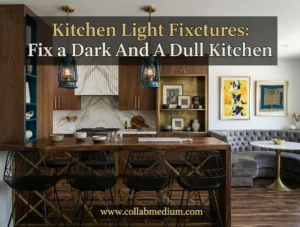
Black pendant lights are an easy, popular light fixture for kitchen islands paired with black cabinetry, since the finish repeats without overwhelming the room. Warm bulbs in the 2700K to 3000K range keep the space inviting rather than clinical, which matters enormously against dark cabinet fronts. If your black cabinets sit under warm brass or matte gold hardware, choose light fixtures for kitchen ceilings in a matching warm metal. That small match ties the whole room together. For islands, hang pendants roughly 30 to 36 inches above the counter. Leave about 12 inches of clearance from the island edge so the fixtures do not crowd anyone seated there.
Common Mistakes to Avoid With Black Kitchen Cabinets
The single biggest mistake is skipping proper prep before painting. Cabinets that were not degreased and sanded correctly will show peeling within months. Redoing a failed paint job costs more than doing it right the first time.
The second mistake is choosing a countertop that is just as dark as the cabinets. Black kitchen cabinets need contrast to read as intentional rather than accidental. Light quartz, marble-look surfaces, or a pale butcher block give the eye somewhere to land.
The third mistake is under-lighting the room. I have walked into more than one kitchen where beautiful black cabinets looked dull, simply because the homeowner kept the original builder-grade overhead light. Upgrading the light fixtures for kitchen spaces alongside the cabinet color change makes a dramatic difference for a relatively small additional cost.
The fourth mistake is ignoring hardware finish. Black cabinet hardware paired with black cabinets can disappear visually. Brushed nickel and warm brass pulls together account for roughly 46 percent of hardware choices in recent renovation surveys. Both tend to stand out clearly against black fronts.
Tools, Paints, and Platforms Worth Knowing
For anyone tackling a black cabinet project over a weekend, a few tools consistently come up in reviews and professional recommendations. Benjamin Moore Advance and similar cabinet-specific enamels outperform standard wall paint on durability tests. An HVLP paint sprayer produces a smoother, factory-style finish than a brush or roller, though a quality angled brush still works fine for smaller kitchens. Painter’s tape, liquid deglosser, and a fine foam roller round out the essential kit.
If your project extends beyond cabinets into layout, storage, or full kitchen improvement planning, start with a detailed floor plan. Working from a plan before you buy materials avoids expensive reordering later.
Pro Tips From Experience
I have watched dozens of black kitchen cabinets projects go right, and a few go wrong. A handful of small decisions consistently separate a great result from an average one. Choose a true matte or satin finish over high gloss in most homes, since gloss shows fingerprints and dust more readily on dark surfaces. Keep at least one wall or the ceiling light to prevent the kitchen interior from feeling boxed in. If you are painting rather than replacing, order 10 percent more paint than the calculator suggests. Black often needs a careful third coat around edges and corners.
Black Cabinets Within the Bigger Kitchen Improvement Picture
Black kitchen cabinets rarely exist in isolation. They usually arrive alongside a wider kitchen improvement push, whether that means new counters, an updated kitchen island, or a full kitchen interior refresh. Zonda’s 2025 Cost vs. Value data found that a minor kitchen remodel returned about 113 percent of its cost at resale nationally, well ahead of a major gut renovation. That minor-remodel category is exactly where cabinet painting and light fixture swaps fall. It makes black kitchen cabinets one of the more financially sensible updates a homeowner can make this year, not just an aesthetic one.
FAQs
Do black kitchen cabinets make a small kitchen look smaller?
Not if lighting and contrast are handled well. Pairing black cabinets with a light countertop and layered lighting keeps a small kitchen feeling open rather than cramped.
How much does it cost to paint kitchen cabinets black?
DIY materials typically run 200 to 600 dollars. Professional painting for black kitchen cabinets usually costs between 2,000 and 6,500 dollars, depending on kitchen size.
What light fixtures work best with black kitchen cabinets?
Warm-toned pendant lights over the island, paired with under-cabinet task lighting, work best. Aim for bulbs in the 2700K to 3000K range for a warm, inviting glow.
Will black kitchen cabinets go out of style?
Black cabinetry has stayed in steady demand for years, and current 2026 data shows rising, not falling, interest. Using black selectively rather than covering every surface helps the look stay current longer.