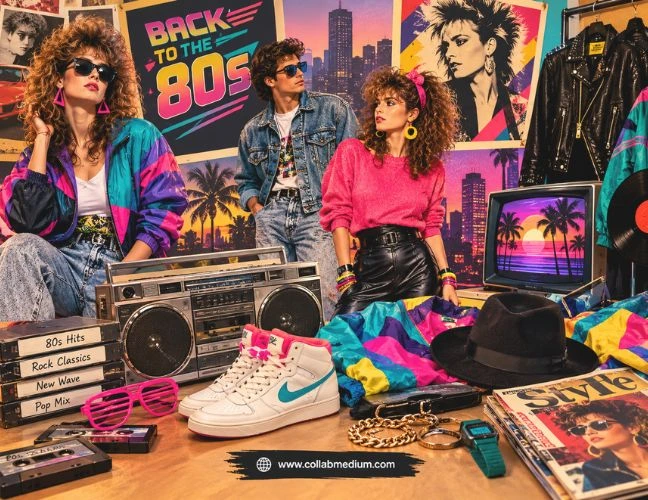
If you want real 1980s vintage pieces that look put together instead of like a Halloween costume, mix one bold statement item with modern basics. A single power-shoulder blazer or an authentic era-specific dress works best paired with plain denim or a simple black tee. That balance is the entire secret. The 1980s vintage lifestyle built an entire visual language around confidence and color, and you can borrow from it without dressing head to toe in one decade. This guide walks through where to shop, what to avoid, and how to build a wardrobe that actually gets worn instead of sitting in your closet.
Why 1980s Vintage Style Is Everywhere Again in 2026
Scroll through any fashion feed right now and references to this decade show up constantly. Puffed sleeves, bold shoulder pads, and neon accents keep resurfacing on runways and in street style. Designers are not just referencing the decade loosely either. They are pulling directly from archival silhouettes and reworking them for a modern fit.
Secondhand shopping is fueling much of this shift. According to ThredUp’s 2026 Resale Report, the global secondhand apparel market is projected to reach $393 billion by 2030, growing twice as fast as new apparel retail. Gen Z and millennial shoppers are expected to drive more than 70% of that growth. A huge share of that demand lands on decade-specific pieces, and 1980s vintage fashion sits right at the center of it.
I have spent years digging through thrift racks and estate sales, and the pattern is obvious. Shoppers who understand what made this style distinctive end up with better pieces and fewer regrets than shoppers who buy anything labeled “retro.”
What Actually Defines the Decade’s Look
Three things separate genuine pieces from this decade from later reproductions. Structured shoulders. Bold, often oversized silhouettes. And fearless color combinations that modern fast fashion rarely attempts. Denim was heavier. Leather jackets had real weight to them. Even casual pieces carried a sense of construction that cheaper modern clothing skips.
The Core Problem: Most Shoppers Buy the Wrong Pieces
Here is the mistake I see constantly. Someone gets excited about the look, walks into a thrift store, and buys the first shoulder-padded blazer they find. They get home, try it on with regular jeans, and it looks like a costume rather than an outfit.
The problem is rarely the piece itself. It is almost always the styling. A full period outfit worn together, head to toe, reads as a costume to modern eyes. One or two anchor pieces mixed into a contemporary wardrobe reads as intentional and current.
Fit is the second common issue. Shoulder construction from this era was generous by design. If you buy a size too big because “that is how it was worn,” you often end up swimming in fabric instead of looking sharp. A good tailor can take in the body of a jacket while leaving the shoulder structure intact, and that single fix transforms how the piece wears.
Sizing Runs Differently Than You Expect
Vintage sizing rarely matches modern numbers. A garment tagged as a size 10 from this decade often fits closer to a modern size 6 or 8. Always check the actual measurements listed by the seller rather than trusting the tag. This single habit prevents most of the return headaches that come with buying 1980s vintage clothing online.
Practical Steps for Building a 1980s Vintage Wardrobe
Start small. Pick one category, whether that is blazers, denim, or accessories, and build from there. Trying to overhaul your entire closet in one weekend usually ends in an impulsive spending spree and a closet full of pieces that do not talk to each other.
Next, learn to identify quality construction. Check the seams, the lining, and the buttons. Genuine pieces from this decade were often made with better fabric than what fast fashion offers today. Natural fibers like wool, silk, and heavy cotton were common, and they tend to hold up far better over decades than polyester blends.
Shop in this order: local estate sales first, then curated vintage boutiques, then online marketplaces. Estate sales often have the best prices because sellers do not always know what they have. Curated boutiques charge more but do the sorting and cleaning work for you. Online marketplaces give you the widest selection but require careful reading of measurements and condition notes.
If you love a specific era-defining shape, like a puff sleeve or a peplum waist, look for how modern designers reinterpret it. Reading up on how one decade’s silhouettes echo through today’s runways can help you spot the right pieces faster, and our guide to vintage fashion essentials breaks down how to shop across multiple decades without losing your own personal style.
Building a 1980s Vintage Dress Rotation
A well-chosen dress from this decade can anchor half your closet. Look for shapes with defined waists and interesting sleeve details rather than plain shifts, since the sleeve is usually where the decade’s personality lives. Cotton and silk dresses from this period also tend to breathe better than synthetic modern alternatives, which matters if you plan to actually wear the piece regularly rather than let it hang as a display item.
Pair a statement dress with simple accessories rather than piling on more decade-specific pieces. One era-defining item plus everyday basics photographs and wears far better than a fully costumed look.
Where to Shop for Authentic Pieces
Several platforms and physical stores have earned real trust among collectors. Depop and The RealReal both carry curated selections, though prices vary widely based on condition and rarity. Etsy remains one of the largest marketplaces for individual sellers specializing in decade-specific pieces, including a strong supply of vintage clothing from independent shops around the country.
Physical stores still matter too. Cities with strong vintage scenes, like Los Angeles, Chicago, and Portland, tend to have dedicated shops that specialize in specific decades. Visiting in person lets you check construction and fit before buying, which online shopping cannot fully replace.
If your shopping trip is part of a bigger travel plan, it helps to research vintage-friendly neighborhoods before you land somewhere new. Planning stops around known thrift and consignment districts saves real time, and travelers heading out for a broader shopping trip might find our travel backpack guide for women useful for packing home any finds without damaging delicate fabric.
1980s Vintage Shopping Sources Compared
| Source | Price Range | Best For | Condition Reliability |
| Estate Sales | $ | Rare finds, lowest prices | Variable |
| Local Thrift Stores | $ | Everyday basics | Variable |
| Etsy | $$ | Wide selection, niche sellers | Moderate to High |
| Curated Vintage Boutiques | $$$ | Investment pieces, cleaned items | High |
| The RealReal / Depop | $$-$$$ | Authenticated designer pieces | High |
Price ranges reflect typical listings as of 2026 and vary by region and rarity.
Common Mistakes to Avoid
Buying without checking measurements. Sizing from this decade rarely matches today’s numbers, so tags alone can mislead you.
Wearing a full head-to-toe outfit. One or two anchor pieces from the era mixed with modern basics almost always looks better than a complete period outfit.
Ignoring fabric care labels. Many pieces need gentle hand washing or dry cleaning, and rough machine washing can shrink or damage delicate fibers fast.
Skipping the smell test. Musty odors from long-term storage are common and can be nearly impossible to remove after the piece is altered or dyed.
Overpaying for common items. Basic denim jackets and plain blazers from this period are common. Save your budget for rarer statement pieces instead.
Pro Tips From Years of Vintage Shopping
Tip 1: Learn a few designer labels. Recognizing labels from this era, even minor ones, helps you spot underpriced pieces at estate sales and thrift stores before other shoppers do.
Tip 2: Bring a small sewing kit mentality. Minor repairs like loose buttons or small seam splits are common and cheap to fix. Do not walk away from a great piece over a five-minute repair.
Tip 3: Photograph pieces in natural light before buying online. Colors from this decade were bold, and poor lighting in listing photos can make shades look completely different in person.
Tip 4: Build a capsule around one silhouette. Pick a shape you love, like a cropped jacket or a fit-and-flare dress, and collect variations of it instead of chasing every trend at once.
Tip 5: Store pieces properly once you own them. Padded hangers for structured shoulders and breathable garment bags prevent the fading and stretching that ruins delicate older fabric.
The Lifestyle Behind the Look
Getting into 1980s vintage style is rarely just about clothing. Music, home decor, and even color palettes from the era often creep into people’s broader taste once they start collecting. The 1980s vintage lifestyle leaned into maximalism, bold graphics, and a genuine sense of fun that a lot of shoppers say they miss in today’s minimalist trends.
That crossover extends beyond clothing. Collectors who love this era often also gravitate toward era-appropriate music, film, and even travel destinations tied to the decade’s cultural peak. If a themed getaway sounds appealing, our guide to 90s fashion for women is a useful next stop for anyone building out a full retro rotation that spans more than one decade.
According to the Fashion Institute of Technology’s museum archive, garments from this decade are increasingly treated as design-history artifacts rather than simple castoffs, which explains why well-preserved pieces keep climbing in value.
Frequently Asked Questions
What makes a piece genuinely 1980s vintage instead of a modern reproduction?
Genuine pieces from the decade usually have structured shoulder pads, natural fiber fabric, and era-specific union or care labels. Reproductions tend to use lighter, synthetic materials and simplified construction.
How do I style a 1980s vintage dress without looking like I am in costume?
Pair one statement dress with simple, modern accessories and neutral shoes. Skip matching every accessory to the era for a more current, wearable look.
Is 1980s vintage fashion actually a good investment?
Well-preserved pieces from recognizable designers can hold or increase in value over time. Everyday basics like plain denim usually stay affordable and are not meant as investments.
Where is the best place to start a 1980s vintage collection on a budget?
Local estate sales and thrift stores typically offer the lowest prices for those starting a collection like this. Learn measurements and fabric quality first to avoid costly mistakes.