In today’s digital landscape, businesses need more than just a presence on social media or a website. They need content marketing—a powerful strategy that can drive traffic, engage your audience, and build your brand’s reputation. But what exactly is content marketing, and how can you use it effectively for your business?
In this comprehensive guide, I will explain what content marketing is, why it matters, and how you can implement it to grow your business. You’ll learn about the key components of content marketing, the tools you need, common mistakes to avoid, and some pro tips that can give you a competitive edge.
What is Content Marketing?
Content marketing is the process of creating, sharing, and promoting valuable content to attract and engage a target audience. The ultimate goal is to drive profitable customer actions by providing them with useful and relevant information. Unlike traditional marketing, which focuses on selling directly, content marketing seeks to inform, educate, and entertain, building a relationship with potential customers over time.
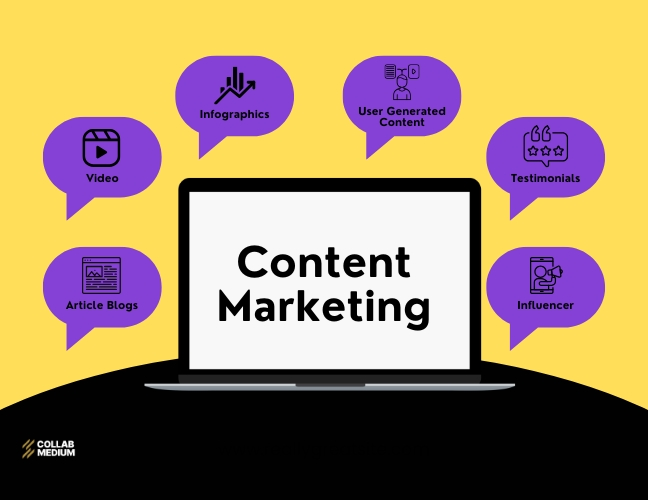
Content marketing can take many forms, including:
- Blog posts
- Videos
- Infographics
- Podcasts
- Social media posts
- Whitepapers
- Case studies
The idea is to create content that resonates with your audience and positions your brand as an expert in your field.
Real-World Example:
A software company might create a blog post on “How to Improve Your Business’s Efficiency Using Automation.” The post provides valuable information to potential customers while subtly promoting the company’s automation tools as a solution.
Why is Content Marketing Important?
Content marketing offers numerous benefits, making it an essential component of any business’s marketing strategy. Let’s explore why content marketing matters and how it can help your brand grow.
1. Builds Trust and Credibility
In the digital world, consumers have access to endless options. One of the key factors that differentiate successful brands from others is trust. Content marketing helps build that trust by providing valuable, useful content. By offering your audience information that solves their problems or answers their questions, you build a relationship that goes beyond just selling a product.
2. Improves SEO and Organic Reach
Creating high-quality, relevant content can significantly boost your website’s SEO (Search Engine Optimization). Search engines like Google reward websites that provide valuable content with higher rankings in search results. By using keywords effectively and providing content that answers searcher queries, you increase your chances of being found organically.
3. Increases Engagement and Conversion Rates
The more relevant your content is to your audience, the more likely they are to engage with it. Whether it’s reading blog posts, watching videos, or sharing on social media, engaging content helps you build an active and loyal community. Engaged users are more likely to convert into customers.
4. Cost-Effective Content Marketing Strategy
Compared to traditional forms of advertising, content marketing is relatively cost-effective. Once created, content can work for you over time, drawing in new leads and nurturing relationships with existing ones. This means your marketing efforts have long-lasting benefits.
Key Elements of a Successful Content Marketing Strategy
To create a content marketing strategy that delivers results, you need to focus on several key elements. Let’s take a closer look at what makes up a successful strategy.
1. Define Your Goals and Objectives
The first step in any content marketing strategy is to clearly define your goals. What do you hope to achieve with your content? Some common goals include:
- Increasing brand awareness
- Driving more traffic to your website
- Generating leads and sales
- Building a loyal community
By setting clear goals, you can tailor your content to meet those objectives and measure your success along the way.
2. Know Your Target Audience
Understanding your audience is crucial. Who are you trying to reach? What are their pain points? What type of content do they engage with the most? Conducting audience research will help you create content that resonates with your target demographic.
Buyer personas are a great tool for this. These detailed profiles represent your ideal customers and help you tailor your content to their needs, interests, and preferences.
3. Content Creation and Optimization
Once you’ve defined your goals and audience, it’s time to create content. Make sure your content is:
- Informative: Offers value to your audience.
- Engaging: Encourages interaction, whether through comments, shares, or likes.
- Optimized for SEO: Use relevant keywords, meta tags, and internal linking to improve your search rankings.
Consider using a mix of content formats, such as blogs, videos, and infographics, to keep your audience engaged. A content calendar can help you stay organized and plan ahead.
4. Content Distribution and Promotion
Creating great content is only half the battle. To reach your audience, you need to distribute and promote your content effectively. This can include:
- Social media platforms (Facebook, Instagram, Twitter, LinkedIn)
- Email marketing
- Influencer partnerships
- Paid advertising (for broader reach)
5. Measure and Analyze Performance
Finally, measure the effectiveness of your content marketing efforts. Use tools like Google Analytics, HubSpot, or SEMrush to track website traffic, engagement rates, and conversion rates. This data will help you understand what’s working and where improvements are needed.
| Tool | Description | Use Case |
| Google Analytics | Tracks website performance and user behavior. | Helps measure the success of your content marketing efforts. |
| HubSpot | A comprehensive inbound marketing platform. | Ideal for managing and analyzing content performance. |
| SEMrush | Provides SEO and content marketing analytics. | Tracks keyword rankings and competitor analysis. |
Common Mistakes to Avoid in Content Marketing
Content marketing is a powerful tool, but if done incorrectly, it can waste valuable resources. Here are some common mistakes to avoid:
1. Ignoring SEO Best Practices
Without optimizing your content for SEO, your efforts may fall flat. Always research keywords and incorporate them naturally into your content to improve your search rankings.
2. Focusing on Quantity Over Quality
While consistency is important, prioritizing quantity over quality can hurt your brand’s reputation. Instead of churning out a high volume of content, focus on creating high-quality pieces that offer true value to your audience.
3. Neglecting to Analyze Results
If you’re not tracking the performance of your content, you’re missing out on valuable insights. Regularly review your analytics and adjust your strategy based on what works and what doesn’t.
Pro Tips for Content Marketing Success
Here are some advanced tips for taking your content marketing efforts to the next level:
- Repurpose Content: Turn blog posts into infographics, videos, or podcasts to reach different segments of your audience.
- Leverage User-Generated Content: Encourage customers to create content (reviews, social media posts) that you can share on your website and social channels.
- Invest in Visual Content: People engage more with visual content like videos and images. Incorporate high-quality visuals to make your content stand out.
- Collaborate with Influencers: Partner with influencers in your niche to increase reach and credibility.
FAQs
- How do I get started with content marketing?
Start by defining your goals, understanding your audience, and creating a content plan. Then, create high-quality, optimized content and promote it across various channels. - How long does it take to see results from content marketing?
Content marketing is a long-term strategy. It can take anywhere from 3 to 6 months to see significant results, depending on your industry and competition. - Can I do content marketing without an in-house team?
Yes, you can outsource content creation or use tools like content management platforms to help streamline the process. Many small businesses successfully manage content marketing with external resources. - What types of content are most effective for driving engagement?
Blog posts, videos, infographics, and case studies are all effective types of content. It depends on your audience’s preferences—test different formats to see what works best.