Vintage fashion is everywhere. You see it on TikTok, in thrift store hauls, on college students layering oversized blazers over band tees, and even on young artists studying classical music abroad in cities like Vienna, Paris, and Prague. There is something undeniably magnetic about wearing a piece of clothing that carries history.
But here is the honest truth: most people get vintage fashion completely wrong.
They either overpay for things that are not actually vintage, buy pieces that do not fit their lifestyle, or feel overwhelmed trying to build a cohesive wardrobe from secondhand finds. I have been there. And after years of thrifting, styling, and researching sustainable fashion, I want to help you do this the right way.
Why Vintage Fashion Is Having Its Biggest Moment Yet
The numbers back this up. According to a 2023 report by ThredUp, the secondhand apparel market is expected to reach $350 billion globally by 2027. In the USA alone, resale grew 15 times faster than the broader retail clothing sector over the past five years.
Younger generations are driving this surge. Gen Z shoppers now make up the largest segment of secondhand buyers, with 62% reporting they look for used items before buying new. And the appeal goes far beyond just saving money.
Vintage fashion offers:
- Unique pieces that mass retail simply cannot replicate
- Sustainability — extending a garment’s life reduces landfill waste
- Cultural storytelling through era-specific silhouettes and fabrics
- Investment potential — rare pieces from brands like Levi’s, Burberry, and Ralph Lauren appreciate in value over time
The Core Problem: Why People Struggle With Vintage Shopping
Most shoppers walk into a thrift store or open an app like Depop or Poshmark without a strategy. They impulse-buy pieces that look interesting on the rack but never work in their actual wardrobe.
Sound familiar?
The problem is not the clothes. The problem is the approach. Vintage fashion requires intention. You need to know your personal style anchor, understand what eras flatter your body type, and recognize quality fabrics before you spend a dime.
I have watched people overpay for reproductions on Etsy thinking they found an authentic 1970s piece. I have also seen students at music conservatories in Europe build jaw-dropping wardrobes by shopping local European flea markets on weekends. In fact, many young musicians pursuing a classical music study abroad program in cities like Vienna or Salzburg stumble into incredible vintage markets purely by accident and end up discovering a personal style they carry for life.
The lesson? Context and curiosity matter enormously in vintage shopping.
Practical Solutions: How to Build a Winning Vintage Wardrobe
1. Define Your Era Before You Shop
Every decade has a distinct aesthetic. Knowing yours makes shopping focused and efficient.
| Era | Key Characteristics | Best Pieces to Hunt For |
| 1950s | Full skirts, pastel tones, feminine cuts | Circle skirts, swing coats, saddle shoes |
| 1960s | Mod patterns, shift dresses, bold color blocks | A-line dresses, go-go boots, shift blouses |
| 1970s | Earthy tones, flared silhouettes, bohemian | Bell-bottom jeans, suede jackets, platform shoes |
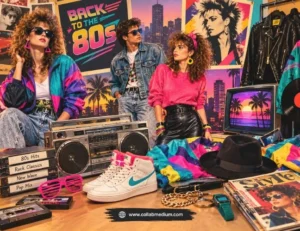
| 1980s | Power shoulders, neon, oversized fits | Blazers, windbreakers, statement jewelry |
| 1990s | Minimalism meets grunge, slim silhouettes | Slip dresses, flannel shirts, mom jeans |
Pick one or two eras that resonate with your natural style. Build around those.
2. Learn to Inspect Quality Before Buying
Vintage pieces survive decades because they were made well. But not everything old is quality. Check these things before buying:
- Fabric content labels: Pre-1971 garments in the USA often lack care labels. Natural fibers (wool, cotton, silk, linen) are signs of quality.
- Seams and stitching: Look for tight, even stitches. Loose threads or puckering seams are red flags.
- Zippers: Metal zippers, especially YKK brand, often indicate older, quality production.
- Buttons: Shell, horn, or glass buttons suggest higher-end vintage.
3. Use the Right Platforms for the Right Pieces
Not all vintage platforms serve the same purpose. Here is how I break it down:
- Depop — Best for Gen Z aesthetics, 90s and Y2K pieces
- Poshmark — Great for designer and mid-range American brands
- eBay — Widest selection; ideal for rare, high-value finds
- Etsy — Good for curated vintage, but verify seller authenticity claims
- Local thrift stores (Goodwill, Salvation Army, Savers) — Unbeatable for budget finds
- Estate sales — Often overlooked, but goldmines for pre-1970s pieces
For students spending a semester or a year in a classical music study abroad program across Europe, local flea markets are an absolute must. The Naschmarkt in Vienna, Marché aux Puces in Paris, and Portobello Road in London are globally recognized vintage destinations where American students consistently find exceptional pieces at prices far below US resale market rates.
Common Mistakes to Avoid in Vintage Fashion
Even experienced shoppers fall into these traps. Avoid them from the start.
Buying for the potential, not the reality. Just because a blazer is a rare 1980s find does not mean you will actually wear it. If it does not fit your life, it will sit unworn in your closet.
Skipping alterations. Vintage sizing runs significantly different from modern US sizing. A dress labeled “size 14” from the 1960s fits more like a modern size 8 or 10. Budget for a good tailor. A $25 thrift find transformed by a $30 alteration is still a steal.
Ignoring odor and stains. Some issues are fixable. Some are not. Musty smells often come out with proper airing or a gentle wash. Set-in oil stains or mildew, however, rarely fully disappear. Always inspect carefully in good lighting before buying.
Overpaying for reproductions. Platforms like Amazon, ASOS, and even some boutiques sell vintage-inspired clothing. That is not the same as actual vintage. Learn to spot the difference by checking union labels, country of origin tags, and font styles on brand tags.
Shopping without a budget. Vintage rabbit holes are real. Set a monthly ceiling and stick to it. Apps like Depop let you save searches and track price drops.
Pro Tips From Years of Vintage Shopping Experience
Here are the insights that genuinely changed how I approach vintage fashion.
Go early, go often. Thrift stores restock constantly. Serious vintage shoppers visit multiple times per week. The best pieces rarely stay on the rack for more than 24 hours in high-traffic stores.
Follow garment workers, not just influencers. Accounts run by vintage dealers and fashion historians give you real context about what you are buying. Check out platforms like <u>The Vintage Fashion Guild (vintagefashionguild.org)</u> for label dating guides and authenticity resources.
Document everything you buy. Keep a simple photo log of your pieces. This helps you see patterns in what you buy versus what you actually wear, and it is useful for resale later.
Think in outfits, not pieces. Vintage fashion works best when you build complete looks. A stunning 1970s blouse needs the right trousers, shoes, and accessories to land. Shopping with a specific outfit gap in mind keeps you from buying disconnected pieces.
Condition is everything. A rare but damaged piece is almost never worth it unless you have restoration skills or a trusted seamstress. Excellent condition vintage at a fair price beats a bargain find that needs $100 of work.
Building Your Vintage Identity Over Time
Here is something I genuinely believe: your vintage wardrobe should reflect your actual life, not an aesthetic you perform for social media.
The most compelling vintage dressers I have ever met are people who wear their clothes with total ease. A conservatory student in Prague who layers a 1960s mod coat over concert black. A Brooklyn artist who shops only 1970s denim. A Nashville musician who collects 1950s Western shirts.
Their style works because it is authentic. Vintage fashion is not a costume. It is a vocabulary. The more fluent you become, the more naturally it expresses who you actually are.
FAQs About Vintage Fashion
1- What is the difference between vintage fashion and thrift clothing?
Vintage fashion typically refers to clothing that is at least 20 years old and reflects the style of a specific era. Thrift clothing is a broader term covering any secondhand item regardless of age or style significance.
2- How do I verify if a piece of clothing is actually vintage?
Check the care label (required by US law only after 1971), the union label (common in American garments pre-1980s), and the fabric content and construction quality. Cross-reference brand tag fonts and styles using resources like the Vintage Fashion Guild label guide.
3- Is vintage fashion sustainable?
Yes. Buying vintage directly extends a garment’s life cycle and reduces demand for new production. According to ThredUp’s 2023 Resale Report, buying one secondhand item instead of new saves approximately 1.3 kg of carbon emissions on average.
4- Can vintage fashion work for professional or formal settings?
Absolutely. Many vintage pieces, especially from the 1950s through 1980s, were made to professional standards that exceed modern fast fashion quality. A well-tailored vintage blazer or pencil skirt can work seamlessly in most modern professional environments.